If you’re part of a blended family—remarried, with stepchildren or children from prior relationships—your estate plan is more complicated than a traditional “nuclear family” situation.
Estate Planning Is Different in a Blended Family
Without clear planning, the people you care about may be unintentionally disinherited or pulled into legal conflicts after you’re gone.
This guide explains key issues blended families face in the United States, how wills, beneficiary designations, and trusts interact, and what to watch for when insurance and inheritance questions arise.
Note: This is general educational information, not legal advice. State laws on inheritance, marital rights, and community property differ widely. Speak with a licensed attorney about your specific situation.
Why Blended Families Face Unique Estate Risks
Common blended family structures include:
- Spouses with children from previous relationships
- Couples who never legally marry but raise children together
- Stepchildren who are treated like children but not legally adopted
These situations raise several challenges:
- Default inheritance rules may not match your wishes.
State “intestacy” laws usually favor legal spouses and biological or adopted children—not stepchildren.
- Tension between providing for a current spouse and protecting children from a prior relationship.
- Old beneficiary designations that still name former spouses or exclude new family members.
- Confusion over who owns what, especially in community‑property or equitable‑distribution states.
Without a plan, your family may end up relying on default laws that never considered your personal circumstances.
What Happens If You Die Without a Will in a Blended Family?
The result varies by state, but typical patterns include:
- Your current spouse may receive a large share of your estate.
- Your biological or adopted children split the remaining share.
- Stepchildren who were never adopted usually do not inherit by default.
If your spouse lives longer than you, they might later change their own will or beneficiary designations, potentially leaving nothing to your children from a prior relationship.
This can be devastating if you assumed “everyone will do what’s fair.” The law does not enforce informal understandings.
Tools for Protecting Both Your Spouse and Your Children
1. Wills
A will lets you:
- Name who should receive specific assets
- Appoint guardians for minor children
- Name an executor to manage your estate
However, a will does not trump beneficiary designations on life insurance and retirement accounts. It also may not override certain spousal property rights, depending on your state.
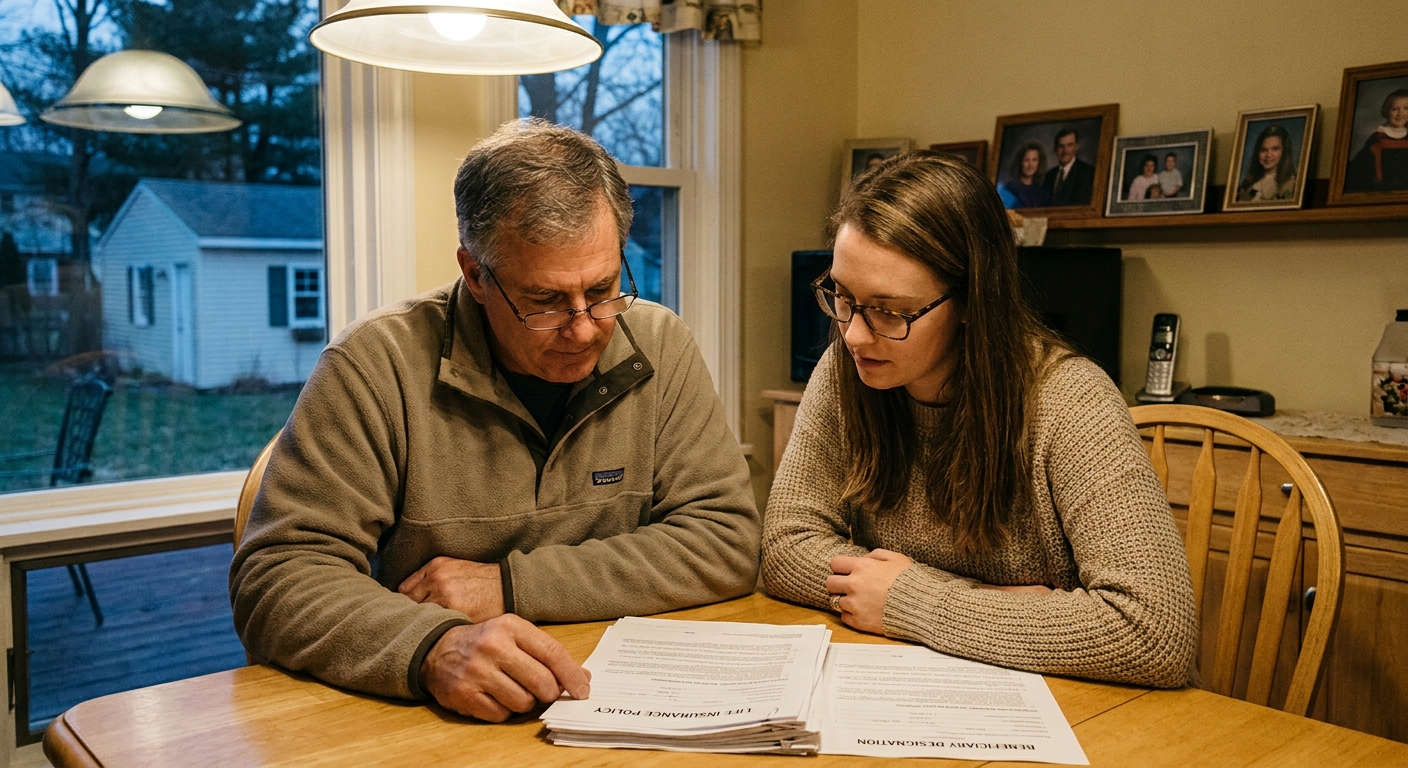
2. Beneficiary Designations
Use these to balance interests:
- Name your spouse or partner as primary beneficiary on some policies or accounts.
- Name your children (including adult children) as beneficiaries on others.
- Consider listing children as contingent beneficiaries if your spouse dies before you.
Review and update all designations after:
- Divorce or legal separation
- Marriage or remarriage
- Birth or adoption of a child
- Death of a named beneficiary
3. Trusts
A revocable living trust or other trust arrangement can:
- Provide income or property use for your spouse during their life
- Ensure that remaining assets ultimately go to your children
For example, you might:
- Place the family home in trust for your spouse to live in for life,
- With instructions that after your spouse’s death, the home or sale proceeds go to your children.
Trusts can also help manage property for minor children or children with special needs.
Because trust design requires careful drafting, work with an attorney who regularly handles estate planning for blended families.
Life Insurance as a Balancing Tool in Blended Families
Life insurance can help you support multiple goals:
- Provide a financial safety net for your spouse or partner
- Create a separate inheritance for children from a prior relationship
- Equalize inheritances when some children share the home and others don’t
Example Uses
- You leave the house to your spouse, but name your older children as life insurance beneficiaries, so they still receive a significant benefit.
- You own a small business. A life insurance policy pays your spouse, while your business interest passes to the child who works in the company.
Key Questions to Ask Yourself
- If I died tomorrow, who would struggle the most financially?
- Do I want my current spouse to be able to change beneficiaries later, or should some inheritances be locked in?
- Are there stepchildren I want to treat equally with my biological children?
Your answers shape how you divide life insurance and other assets.
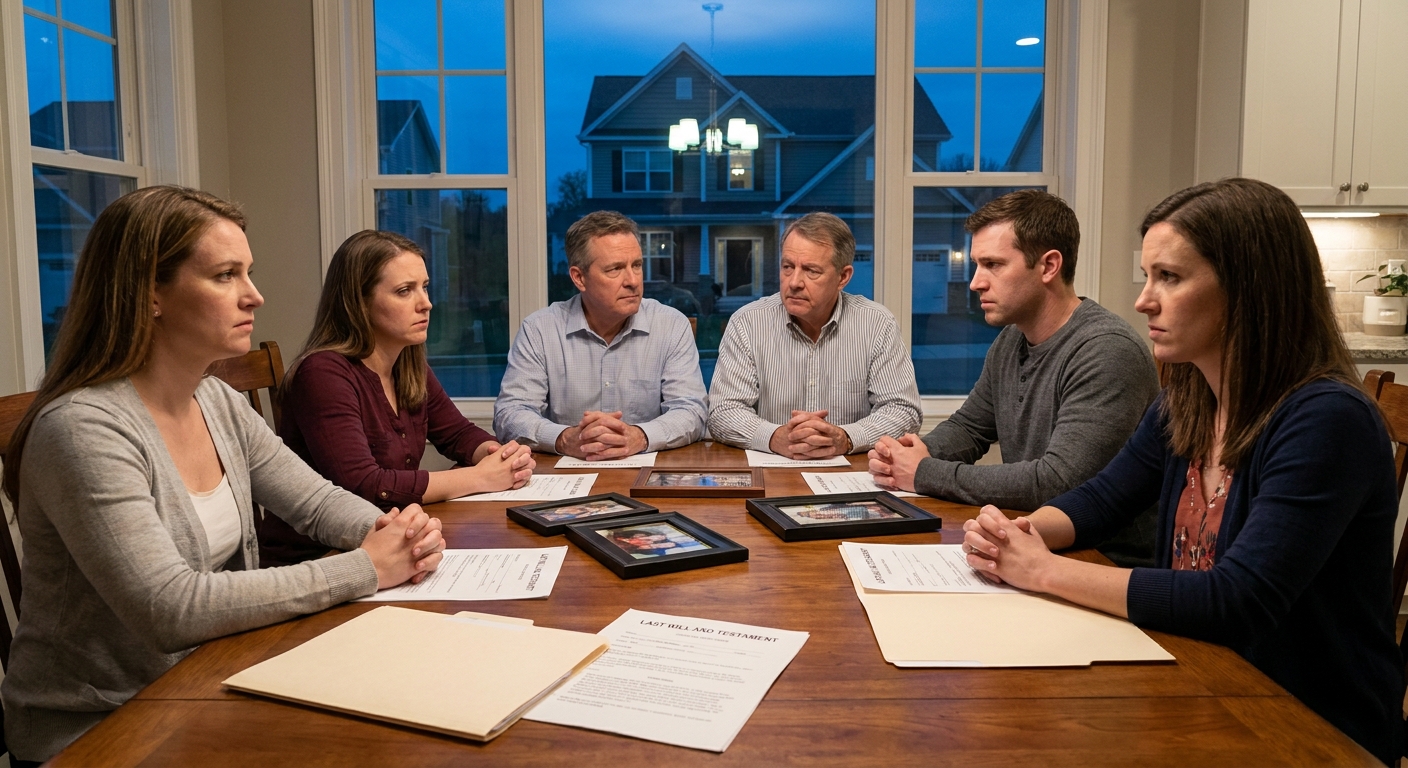
Common Disputes in Blended‑Family Estates
Blended families are statistically more prone to disputes, such as:
- Stepchildren vs. stepparent over who gets the home
- Children vs. new spouse over a will signed late in life
- Ex‑spouse vs. current spouse over outdated beneficiary designations
- Disagreements about whether someone pressured a parent to change their will
These disputes might surface as:
- Will contests (claiming lack of capacity or undue influence)
- Challenges to beneficiary changes
- Claims that someone wrongfully diverted funds before death
When insurance is involved, beneficiaries may face delayed or interpleaded claims while the court figures out who is entitled to what.
When to Involve a Lawyer (Before and After Death)
Planning Stage (While Everyone Is Alive)
Consult an estate planning attorney if:
- You or your spouse have children from previous relationships
- You own a home or significant assets together
- One spouse is bringing substantially more assets into the relationship
- There are stepchildren you want to include or exclude from inheritance
An attorney can:
- Explain your state’s rules on marital property and elective shares
- Draft wills and trusts tailored to your family structure
- Coordinate beneficiary designations with your overall plan
After a Death or Incapacity
Talk with a lawyer promptly if:
- You suspect someone took advantage of a vulnerable parent
- A new will or beneficiary form appeared unexpectedly near the end of life
- You’re a stepchild who is being suddenly cut out of arrangements you believed existed
- You’re a stepparent being accused of wrongdoing but you were simply following instructions
How Fees Usually Work
For planning, lawyers generally use:
- Flat fees for standard estate plans
- Hourly billing for complex or customized work
For disputes, you may see:
- Hourly fees (you pay as the case progresses)
- Contingency fees in some will or beneficiary contests where a recovery is sought
Always ask for a written agreement and make sure the cost and payment terms are clear.
Mistakes That Put Blended‑Family Members at Risk
Avoid these common pitfalls:
- Assuming a verbal promise is enforceable without a written document
- Failing to update beneficiary forms after divorce or remarriage
- Putting a new spouse jointly on the house without understanding how that affects children’s inheritance
- Leaving stepchildren you love out of your will because you believe your spouse will “take care of it later”
- Hiding assets or accounts from your spouse, which can cause legal and tax problems later
Small misunderstandings today can become large legal battles later.
Practical Checklist for Blended‑Family Estate Planning
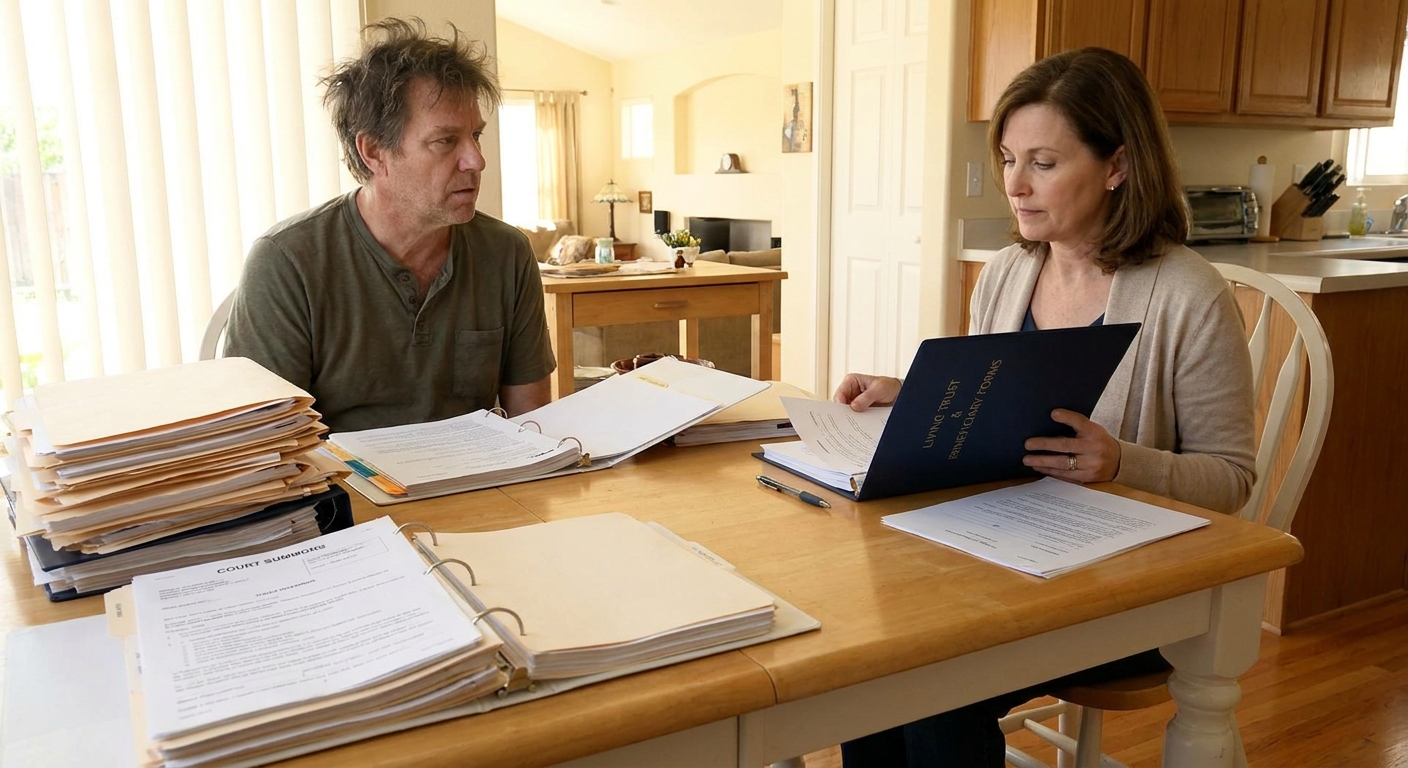
Information to Gather
- [ ] List of all children and stepchildren (with ages and relationships)
- [ ] Marriage certificates, divorce decrees, and prenuptial/postnuptial agreements
- [ ] Deeds and titles for home, vehicles, and other property
- [ ] Current wills, trusts, and powers of attorney (if any)
- [ ] Life insurance policies and annuities
- [ ] Retirement account statements (401(k), IRA, pensions)
- [ ] Bank and investment account statements
Questions to Discuss With Your Attorney
- [ ] How will my state treat my spouse vs. my children if I die without a will?
- [ ] How can I provide for my spouse without disinheriting my children?
- [ ] Should I use trusts to protect assets for children from my first marriage?
- [ ] Are there tax or creditor issues I should be aware of?
- [ ] What’s the best way to structure life insurance and retirement accounts for fairness and clarity?
Moving Toward Clarity and Fairness
Blended families are built on second chances and new beginnings, but they require careful planning to avoid unnecessary conflict.
Thoughtful wills, clearly coordinated beneficiary designations, and—where appropriate—trusts can help ensure that both your spouse and your children are treated fairly.
Because laws differ by state and small drafting details can dramatically change outcomes, consider meeting with a licensed estate planning attorney who understands blended‑family dynamics. Doing so now can spare your loved ones confusion and costly disputes later.