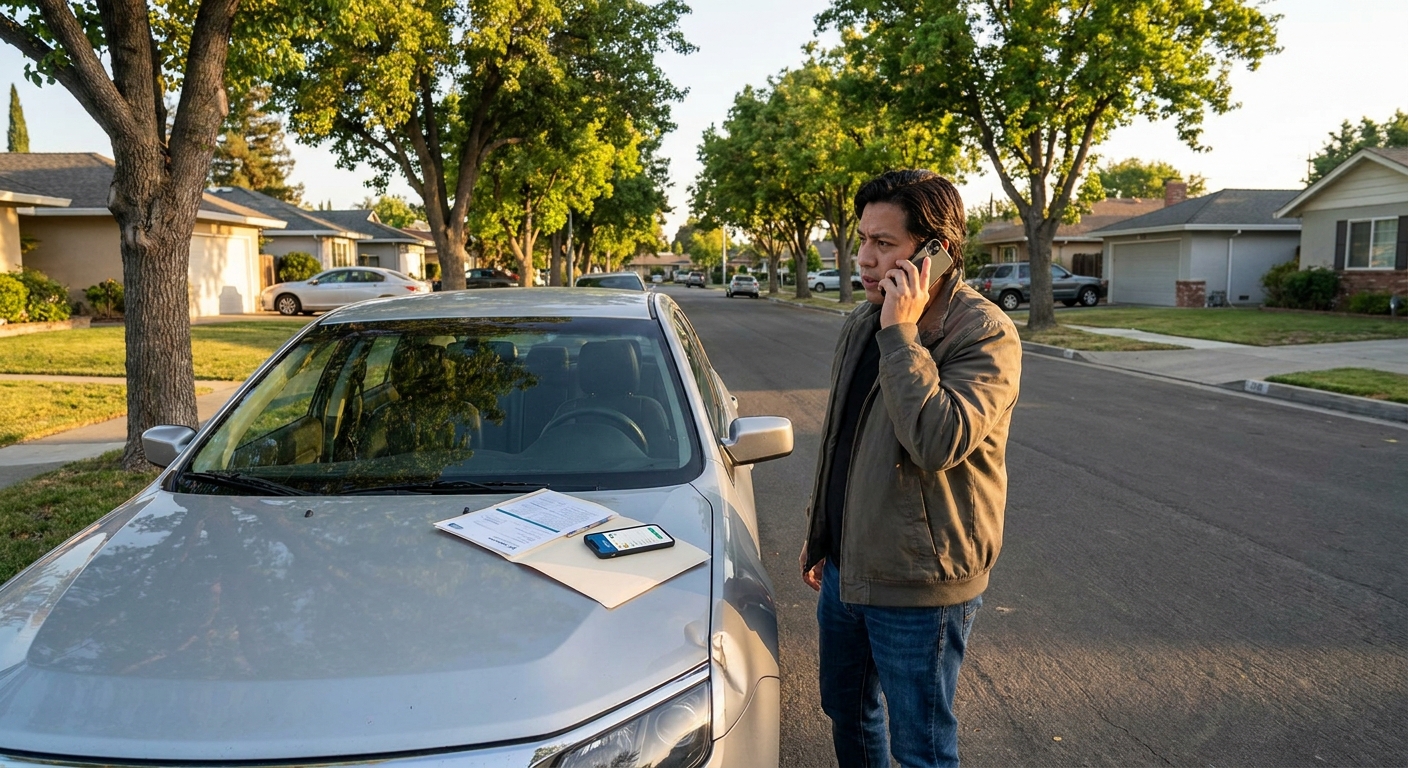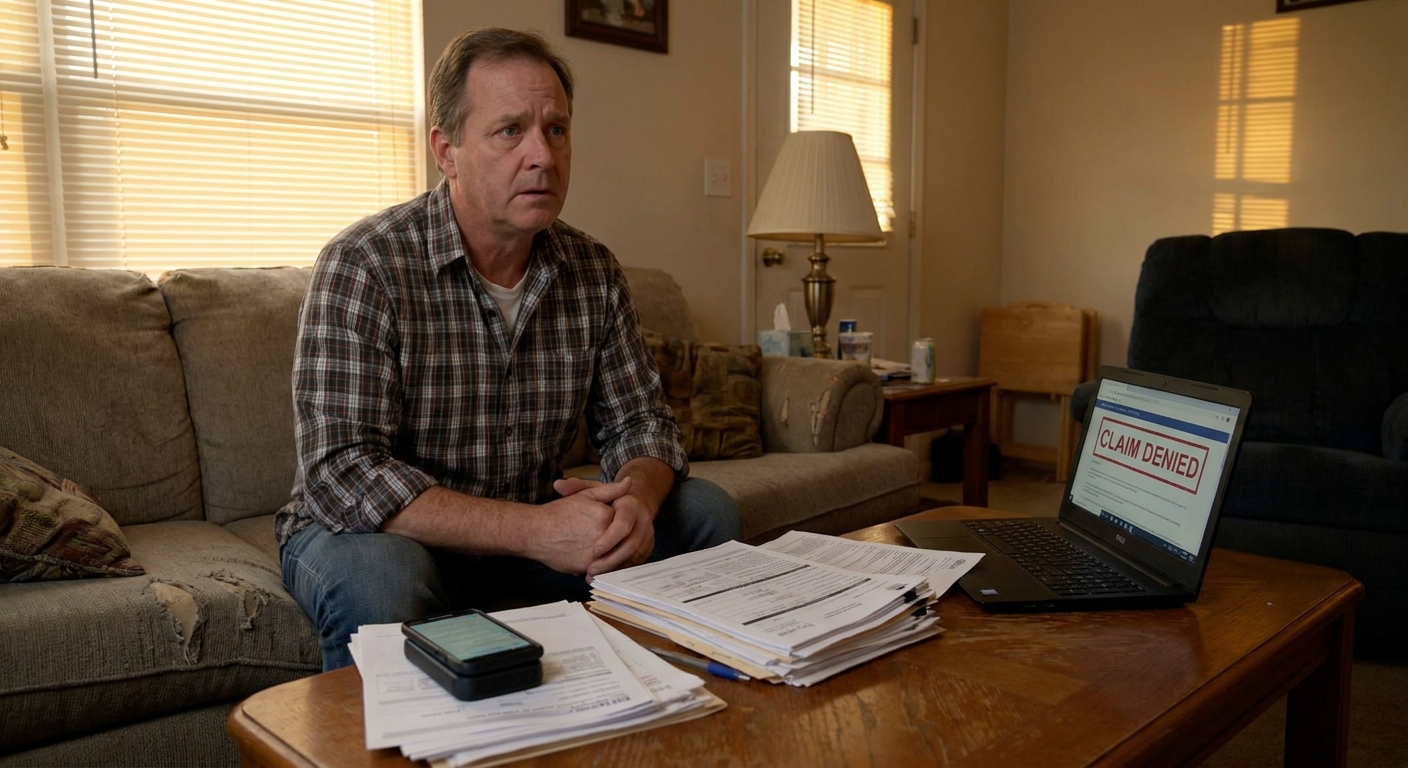
After a crash, storm, fire, or other loss, you may have only a limited window to protect your rights. Insurance companies review every detail of your claim. Innocent mistakes — a missed deadline, a careless comment, a lost receipt — can give them reasons to delay, reduce, or deny payment.
Why Small Mistakes Can Cost Big Money
This guide highlights 10 common claim‑weakening mistakes and practical steps to avoid them. It is general information, not legal advice. Laws and deadlines differ by state, so speak with a licensed attorney for guidance on your specific situation.
1. Waiting Too Long to Report the Claim
Many policies require “prompt” or “immediate” notice of a loss. Delays can:
- Make it harder to investigate what happened
- Allow damage to worsen
- Give insurers grounds to argue you violated policy conditions
Avoid it:
- Report the incident as soon as it’s safe to do so.
- If unsure whether it’s covered, report it anyway and note that you are seeking clarification.
- Ask for your claim number and keep it handy.
2. Skipping or Delaying Medical Care
In injury claims, gaps in treatment are a major red flag for insurers.
Why it hurts your claim:
- They may argue you were not actually injured or that injuries are unrelated.
- They may question the severity of your pain if you waited weeks or months to see a doctor.
Avoid it:
- Get evaluated as soon as possible, even if you “feel okay.”
- Follow through with recommended referrals and physical therapy.
- Be honest about symptoms; don’t minimize or exaggerate.
Keep copies of all visit summaries, bills, and prescriptions.
3. Giving Recorded Statements Without Preparation
Adjusters — including the other party’s insurer — may ask to take a recorded statement early in the process.
Risks:
- You may be in pain, on medication, or upset, leading to unclear answers.
- Casual language can be twisted (“I’m fine” can be used against you later).
- You might guess about facts instead of saying “I don’t know yet.”
Avoid it:
- With your own insurer, you may be required to cooperate, but you can:
- Ask to schedule the call at a time when you can focus.
- Request to review key documents (like the police report) first.
- With the other party’s insurer, you generally have more flexibility; consider speaking with a lawyer before giving a recorded statement.
Never guess. It is perfectly appropriate to say, “I’m not sure” or “I’d like to review my notes first.”
4. Admitting Fault Too Soon
After an accident, many people instinctively apologize or accept blame. But legal fault is often more complicated than it seems.
Why it matters:
- Fault affects whether your claim is paid and by whom.
- Some states reduce or bar recovery if you are found to be mostly at fault.
Avoid it:
- At the scene, focus on safety and exchanging information, not assigning blame.
- Provide accurate facts to police without speculating who is “responsible.”
- Let the investigation and applicable state law determine fault.
5. Throwing Away Damaged Items Too Quickly
It’s natural to want to clean up after a loss. But damaged property can be critical evidence.
Problems this causes:
- Insurers may question whether damage was as severe as you claim.
- You may lose the ability to show how or why the damage occurred.
Avoid it:
- Take clear photos and video of all damage from multiple angles.
- Keep important damaged items until the adjuster has inspected them (or you get written permission to dispose of them).
- If health or safety requires immediate disposal (e.g., mold‑infested materials), document thoroughly before you do.
6. Ignoring Policy Deadlines and Paperwork Requirements
In addition to legal deadlines, your policy may require certain steps, like submitting a proof of loss or cooperating with an investigation.
Missing these can give an insurer grounds to deny or limit your claim.
Avoid it:
- Read the “Duties After Loss” or similar section of your policy.
- Ask your adjuster for a written list of needed documents and any associated deadlines.
- Keep copies of everything you send — certified mail or email with delivery confirmation can help.
If you can’t meet a deadline, communicate in writing, explain why, and ask for an extension.
7. Posting About Your Claim on Social Media
Insurers and defense lawyers increasingly review social media for anything that might contradict your claim.
Risks:
- A photo of you at a family event could be used to argue you are not in pain.
- Jokes or off‑hand comments about the incident may be taken out of context.
Avoid it:
- Consider pausing or limiting social media use until your claim is resolved.
- Do not post about the accident, your injuries, or the claim process.
- Ask friends and family not to tag you in potentially misleading posts.
Even “private” accounts can be discoverable in some legal proceedings.
8. Accepting the First Settlement Offer Without Question
Initial offers are often on the low side, especially if made early while you are still treating or don’t know the full extent of your losses.
Potential consequences:
- Once you sign a release, you may be unable to ask for more later, even if your condition worsens.
- You may underestimate future medical needs or wage losses.
Avoid it:
- Ask for a detailed breakdown of what the offer covers.
- Compare it to your documented expenses and expected future costs.
- For serious injuries or long‑term impacts, consider consulting a licensed attorney before signing any release.
9. Under‑Documenting Financial Losses
Many people save medical bills but overlook other financial impacts.
Commonly missed items:
- Lost overtime or bonuses
- Self‑employment income disruptions
- Travel costs for medical appointments
- Home assistance or childcare needed due to injuries
- Temporary housing, storage, or additional living expenses after property loss
Avoid it:
- Keep a simple spreadsheet of every expense related to the incident.
- Save every receipt, invoice, and pay stub.
- Ask your employer for a letter confirming missed work and lost wages.
The stronger your documentation, the harder it is for an insurer to dispute your losses.
10. Waiting Too Long to Talk with a Lawyer
Not every claim requires an attorney, but waiting until the last minute can limit your options, especially if a lawsuit deadline is approaching.
Warning signs you may need legal advice:
- Serious or permanent injuries
- Confusing or conflicting information from insurers
- Denied claims or long, unexplained delays
- Pressure to sign complex forms you don’t fully understand
- Disputes about who was at fault
How Contingency Fees Typically Work
In many U.S. injury and insurance‑dispute cases:
- Lawyers often work on a contingency fee, meaning they are paid a percentage of the recovery (settlement or verdict).
- You typically don’t pay upfront legal fees.
- If there is no recovery, you generally don’t owe an attorney fee, though you may still be responsible for certain case costs depending on your agreement.
Always:
- Ask how the fee percentage may change if the case goes to trial.
- Clarify who pays case costs and when.
- Get the fee agreement in writing and keep a copy.
Quick Reference Checklist: Protecting Your Claim
Right Away
- [ ] Get medical evaluation
- [ ] Report claim to insurer
- [ ] Photograph scene, injuries, and property damage
Within the First Week
- [ ] Obtain and save police or incident reports
- [ ] Start a file for bills, receipts, and correspondence
- [ ] Review your policy’s “Duties After Loss” section
Ongoing
- [ ] Follow medical advice and keep appointments
- [ ] Avoid social media posts about the incident
- [ ] Respond promptly and in writing to insurer requests
Before You Settle
- [ ] Confirm all current and likely future costs are considered
- [ ] Understand what rights you are giving up by signing
- [ ] Consider consulting a licensed attorney, especially if injuries are serious or liability is disputed
Final Thought
You are not expected to know every rule and loophole of the insurance world. By avoiding these common mistakes, carefully documenting your losses, and seeking professional guidance when needed, you can significantly improve your chances of a fair outcome. For advice on your specific situation, consult a licensed attorney in your state.