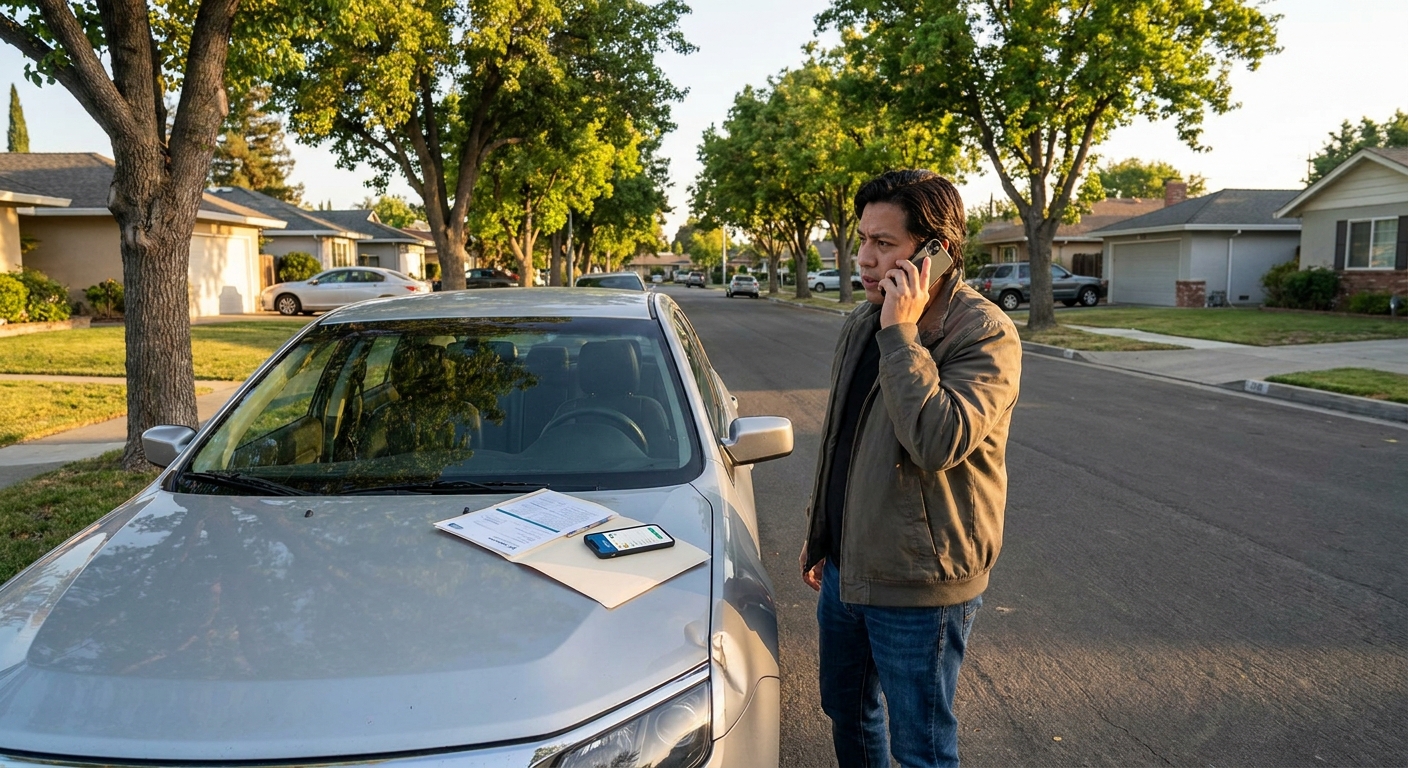
Filing a claim on your car, your home, or your health plan are very different experiences, even though all three involve “insurance.” Each has its own rules, timelines, and pressure points that can catch people off guard.
Why Different Insurance Claims Feel So Different
This comparative guide explains how home, auto, and health insurance claims typically work in the United States, what documents you’ll need, where disputes often arise, and when it may be time to seek legal help. It is general information only, not legal advice. For help with your situation, speak with a licensed attorney or qualified professional in your state.
At a Glance: Key Differences
| Type of Claim | Common Triggers | Main Issues | Typical Players |
|---|---|---|---|
| Auto | Crashes, theft, vandalism | Fault, repair value, injury damages | Your insurer, other driver’s insurer, body shops |
| Home | Fire, water damage, storms, theft | Coverage limits, exclusions, repair vs. replacement | Your insurer, adjusters, contractors |
| Health | Illness, injury, preventive care | Medical necessity, network status, billing codes | Health plan, providers, billing departments |
Auto Insurance Claims
Types of Auto Coverage That May Apply
Your policy may include several types of coverage (names and details vary by state):
- Liability – pays others if you’re legally responsible for an accident, up to policy limits.
- Collision – pays for damage to your vehicle from a crash, minus your deductible.
- Comprehensive – covers non‑crash events like theft, vandalism, or hail, minus your deductible.
- Uninsured/Underinsured Motorist (UM/UIM) – may help if the at‑fault driver has too little or no insurance (availability varies by state).
- MedPay or PIP – may pay some medical expenses regardless of fault, depending on your state.
Auto Claim Process: Step by Step
Safety and reporting:
- Call 911 if anyone is injured or vehicles are blocking traffic. - Exchange information with all drivers and, if possible, take photos and get witness contacts.
Notify insurers:
- Report the crash to your auto insurer immediately. - If another driver is at fault, you may also hear from their insurer.
Vehicle inspection and estimates:
- An adjuster or partner shop typically inspects your vehicle. - You can usually obtain your own repair estimate for comparison.
Fault determination and coverage review:
- Insurers review statements, police reports, and photos. - Fault can be shared, depending on state law.
Settlement or repairs:
- Property damage claims may resolve in weeks. - Injury claims often take longer, especially while treatment continues.
Documents to Gather for Auto Claims
- Photos/video of vehicles, scene, road conditions, and visible injuries
- Police report or incident report number
- Insurance and contact info for all drivers
- Medical records and bills related to the crash
- Repair estimates and invoices
When to Consider a Lawyer for Auto Claims
- Serious injuries, long‑term pain, or disability
- Disputes about who was at fault
- The other driver’s insurer denies or delays your claim
- Pressured to accept a quick settlement before you know your prognosis
Many auto injury attorneys work on contingency fees (a percentage of recovery, no upfront fee). Ask for the fee agreement in writing and make sure you understand how costs will be handled.
Homeowners and Renters Insurance Claims
What Home Policies Commonly Cover
Policies typically cover:
- The structure itself (for homeowners)
- Personal property (contents)
- Additional living expenses if your home is uninhabitable
- Personal liability for certain injuries on your property
Coverage depends heavily on:
- The cause of loss (fire vs. flood vs. wear‑and‑tear)
- Policy limits, deductibles, and exclusions
- Whether you have replacement cost or actual cash value coverage
Flood and earthquake damage often require separate policies.
Home Claim Process: Step by Step
Emergency steps:
- Protect health and safety first. - Take reasonable steps to prevent further damage (e.g., tarp a roof, shut off water) if safe to do so.
Notify your insurer:
- Report the loss as soon as possible. - Ask how to submit photos and a list of damaged items.
Document damage and expenses:
- Photograph every room and close‑ups of damage. - Keep receipts for temporary repairs, hotel stays, and related costs.
Adjuster inspection:
- An adjuster will usually visit the property. - You can obtain independent contractor estimates for comparison.
Proof of loss and settlement:
- You may be asked to submit a sworn proof of loss. - Payments may come in stages (e.g., initial actual cash value, with holdback paid after repairs).
Documents to Gather for Home Claims
- Photos/video of interior and exterior damage
- An inventory of damaged or destroyed items (descriptions, approximate ages, and values)
- Receipts for high‑value items, if available
- Temporary repair, hotel, and meal receipts
- Contractor estimates or bids
Where Home Claims Often Get Stuck
- Disputes over cause of damage (e.g., sudden pipe burst vs. long‑term leak)
- Disagreements about the scope of repairs needed
- Underestimating the cost to rebuild or replace
- Policy exclusions (for example, certain types of water damage)
When to Consider a Lawyer or Public Adjuster
- Large or complex losses (fires, major water or storm damage)
- Denials based on alleged exclusions or late reporting
- Settlement offers that seem too low to make you whole
Some homeowners hire public adjusters (licensed in many states) to advocate in the claim process. Public adjusters usually charge a percentage of the claim payment. For legal interpretation of your policy or help with bad‑faith denials, consult a licensed attorney. Many property insurance attorneys also use contingency fee arrangements.
Health Insurance Claims
Health insurance works differently. You may not “file a claim” in the same way; your provider typically bills the plan directly. Problems arise when:
- A service is denied as “not medically necessary”
- Care is considered out‑of‑network
- Preauthorization was required but not properly obtained
- There are coding or billing errors
Typical Health Insurance Claim Flow
- You receive care from a doctor, hospital, or clinic.
- Provider bills your health plan using standardized codes.
- Plan issues an Explanation of Benefits (EOB) explaining what was paid, what was denied, and what you may owe.
- You may receive bills for deductibles, co‑pays, coinsurance, or denied items.
Documents to Keep for Health Claims and Appeals
- Explanations of Benefits (EOBs)
- Provider bills and itemized statements
- Prior authorization letters or reference numbers
- Referral documentation
- Notes of all calls with your insurer and providers
Appealing a Health Insurance Denial
Most plans must offer an internal appeal process and, in many cases, an external review by an independent body.
General steps (details vary by plan and law):
- Read the denial letter carefully – it should state the reason and appeal deadline.
- Gather supporting records – medical records, doctor’s letters explaining necessity, relevant plan provisions.
- Submit a written appeal within the deadline.
- Request external review if available and if the internal appeal is unsuccessful.
You can also ask your doctor’s office if they will help with the appeal; many have staff experienced in dealing with insurers.
When to Consider Legal Help for Health Claims
- High‑dollar or life‑sustaining treatments are denied
- Repeated denials despite strong medical support
- Confusing plan language about what is covered
Some lawyers handle health‑benefit disputes, particularly involving employer‑sponsored plans or government programs. Fee structures vary — some matters may be hourly, others contingency or hybrid.
Comparing Timelines and Costs
Timelines (General, Not Guaranteed)
- Auto property damage: Often weeks, if liability is clear and parts are available.
- Auto injury: Months or longer, especially while treatment continues.
- Home claims: Weeks to months, longer for severe damage or rebuilding.
- Health insurance appeals: Often set by law or plan (for example, internal appeal decisions may be due within a defined number of days after submission).
Out‑of‑Pocket Costs You Might Face
- Auto: Deductibles, rental car, towing, medical co‑pays.
- Home: Deductibles, code upgrades not covered, uncovered damage, temporary relocation.
- Health: Deductibles, coinsurance, non‑covered services, out‑of‑network charges.
If you hire legal help, costs and fees depend on the type of claim and attorney’s agreement. Many auto and homeowners’ dispute attorneys use contingency fees; health‑benefit disputes may be handled differently.
Universal Tips Across All Claim Types
Regardless of the kind of claim, these principles help protect your rights:
1. Document Everything
- Keep a dedicated folder (digital and/or physical).
- Save letters, emails, texts, EOBs, and bills.
- Log phone calls with dates, names, and summaries.
2. Know the Key Deadlines
- Policy deadlines (proof of loss, notice of claim)
- Internal appeal deadlines for health plans
- Legal “statutes of limitations” for lawsuits (varies by state and claim type)
3. Get Explanations in Writing
- Ask your insurer to explain denials or low offers in writing.
- Written reasons can help you or your attorney challenge decisions more effectively.
4. Consider Professional Help for Serious, Complex, or Denied Claims
- Licensed attorneys can explain your rights, negotiate with insurers, and file lawsuits when appropriate.
- Many offer free initial consultations for injury or property claims.
Final Takeaway
Auto, home, and health insurance exist to protect you, but each type of claim comes with its own maze of rules and expectations. Understanding how they differ — and what they have in common — can reduce stress and improve your chances of a fair result. For advice tailored to your situation, especially if your claim is large, complex, or denied, consider contacting a licensed attorney in your state.