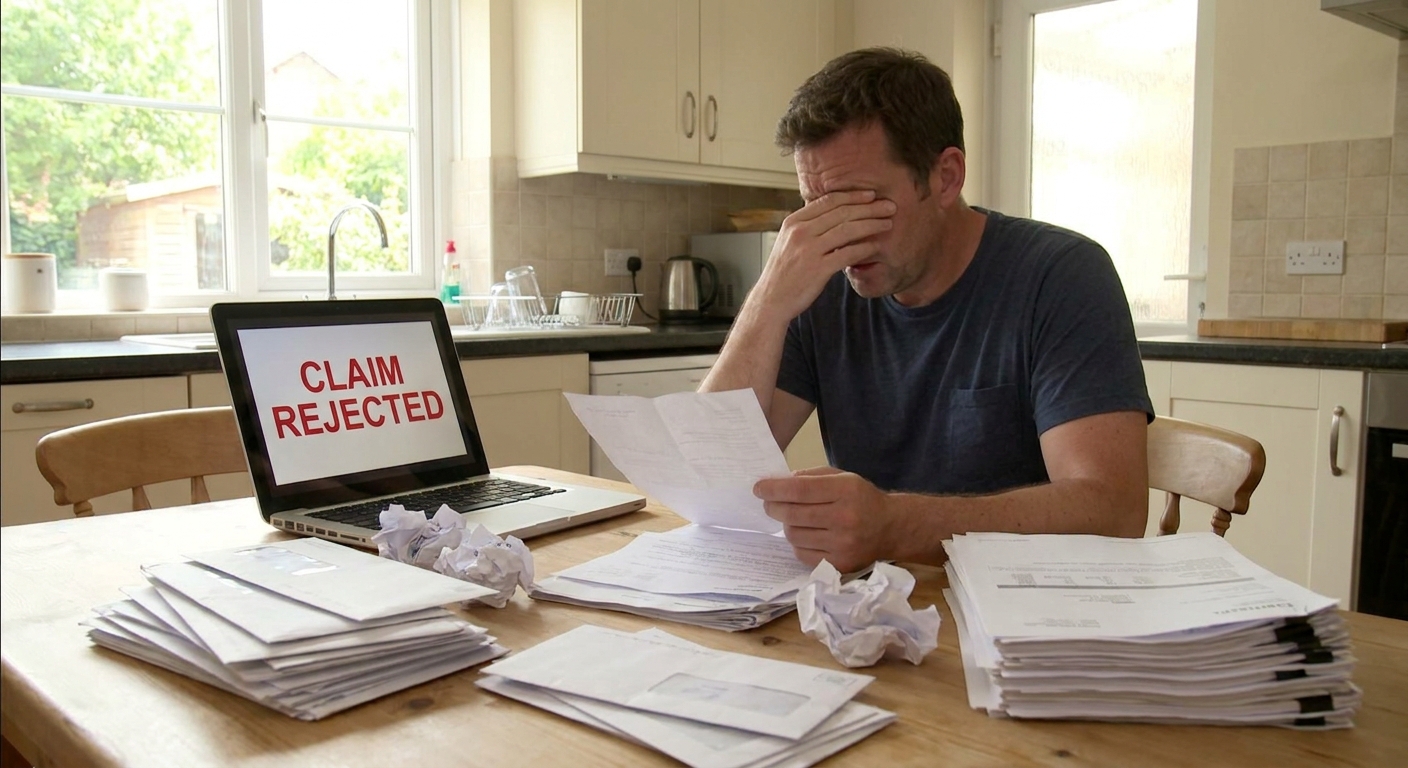
Insurance exists to protect you when something goes wrong. But when a claim is delayed, underpaid, or denied, it can feel like you’re up against a giant. They have adjusters, in‑house lawyers, and established systems. You may be dealing with a serious loss for the first time.
The Power Imbalance in Insurance Disputes
This explainer compares how insurers operate with what rights and tools you, as a U.S. consumer, have to even the odds. It’s general information, not legal advice. For guidance on your particular situation, speak with a licensed attorney in your state.
How Insurers Approach Claims (and What That Means for You)
Insurance companies are businesses. Their claim departments are designed to:
- Investigate quickly and systematically.
- Apply policy language and state regulations.
- Limit payouts to what they believe the contract and law require.
Advantages insurers typically have
- Experience: They handle thousands of similar claims.
- Infrastructure: Established processes, templates, and internal guidelines.
- Internal resources: Adjusters, legal teams, and technical experts.
Understanding this framework helps you see why you may feel outmatched—and why preparation matters.
Your Core Rights as an Insurance Consumer
While details differ by state and by policy, consumers generally share these protections:
Right to a copy of your policy
- You can request the full policy, including declarations and endorsements.
Right to claim handling in good faith
- Insurers must handle claims honestly and reasonably under applicable state law.
Right to a timely response
- Many states set deadlines for acknowledging claims and making decisions once you submit required information.
Right to an explanation
- You can ask for written reasons for denials or reduced payments, including the specific policy provisions relied on.
Right to challenge decisions
- You may dispute findings, submit additional information, and seek review by supervisors, regulators, or a court.
Ask your insurer directly: “Please explain how you’re applying my policy to this situation, and which sections you are relying on.”
Building Your Side of the Case: Evidence and Documentation
Insurers often build a detailed internal file. You should too.
Start your own claim file with:
- A copy of your policy and declarations page.
- All letters and emails from the insurer.
- Notes from every phone call (date, time, who you spoke with, and what was said).
- Photos, videos, and repair estimates.
- Medical records and bills (for injury claims).
- Receipts and invoices for out‑of‑pocket costs.
Think of this file as your toolkit for any negotiation, appeal, or legal consultation.
Common Sources of Disputes (and How to Respond)
1. Disagreement About What the Policy Covers
Example situations:
- Damage excluded because it’s considered “wear and tear.”
- A claim denied due to alleged late notice.
- A health or disability claim questioned based on pre‑existing conditions.
- Ask for the specific policy language the insurer is using.
- Compare their citation with the full policy context.
- Provide additional documentation showing your loss fits within covered events.
- Consider having an attorney review gray areas or confusing exclusions.
What you can do:
2. Disputes Over the Amount of Loss
Typical disagreements:
- Home repairs: scope of work, materials, labor costs.
- Auto repairs: types of parts, frame damage, diminished value.
- Injury claims: necessity of treatment, extent of disability, lost wages.
- Independent repair estimates or contractor reports.
- Second medical opinions, when appropriate.
- Employer letters and pay records for income loss.
Tools to support your position:
Some property policies include appraisal or similar procedures to resolve amount‑of‑loss disputes; ask whether that applies to your policy and, if so, what it involves.
3. Alleged Misrepresentation or Non‑Disclosure
Insurers sometimes deny or limit claims based on what they say was inaccurate information in the application or during underwriting.
If this happens:
- Request the documents they claim are inaccurate.
- Explain, in writing, any errors or misunderstandings.
- Gather proof of your actual situation at the time of application.
- Discuss the issue with a licensed attorney if continued coverage or a large claim is at stake.
Practical Negotiation Tactics for Consumers
You don’t need to be a lawyer to negotiate more effectively.
1. Stay organized and calm
- Refer to your notes and claim file, not just memory.
- Separate your understandable frustration from the facts you’re presenting.
- “Based on this contractor’s estimate and the policy’s coverage section, I’m requesting an additional payment of [amount] for [specific repairs or bills].”
- Follow up phone calls with a short email summarizing key points.
- Ask the adjuster to confirm their position in writing.
- Ask: “I’d like a supervisor to review this decision. What is the process?”
- If you feel pressured to accept an offer or sign a release, ask for time to review it—or to consult an attorney.
2. Be specific in what you’re asking for
3. Communicate in writing whenever possible
4. Use internal appeals or supervisor reviews
5. Know when to pause
Typical Timelines and Costs from the Consumer’s Perspective
The pace of a dispute depends on factors like claim type, complexity, and whether a lawsuit is filed.
Rough expectations:
- Straightforward claims with minor disputes: Often resolved in weeks to a few months.
- More serious or complex claims: May take many months; some extend beyond a year.
- Deductibles.
- Temporary repairs or living expenses (sometimes later reimbursed).
- Fees for obtaining records or specialized reports.
As a consumer, your out‑of‑pocket costs during the claim phase might include:
If you hire an attorney on a contingency fee, you typically won’t pay hourly legal fees, but may be responsible for case expenses depending on your agreement.
When Bringing in a Lawyer Levels the Field
Not every dispute needs a lawyer, but some clearly benefit from legal help.
Situations where legal counsel is worth serious consideration:
- The insurer denies your claim outright and the financial impact is significant.
- The offer is far below your documented losses and negotiations are going nowhere.
- There are complicated coverage questions involving multiple policies.
- You have serious, life‑changing injuries or a death in the family.
- Your claim involves alleged bad faith or unfair claim practices under your state’s law.
How contingency fees usually work in insurance disputes
- The lawyer typically takes a percentage of any recovery (settlement or judgment).
- If there is no recovery, you ordinarily do not owe an attorney fee.
- Case expenses (court filing fees, expert witnesses, etc.) may be advanced by the lawyer and reimbursed from any recovery, or handled another way per your agreement.
- What percentage applies, and under what circumstances (pre‑suit vs. post‑suit)?
- How will expenses be handled and when are they deducted?
- What happens if you choose to end the representation early?
Always review the written fee agreement and ask:
External Oversight: State Insurance Departments and Consumer Agencies
Every state has an insurance department (or similar agency) that oversees insurers.
What they can often do:
- Receive and review consumer complaints.
- Check whether insurers are following state laws and regulations.
- Require insurers to respond to inquiries.
- Act as your personal lawyer.
- Force a specific settlement amount.
What they usually cannot do:
Filing a complaint does create a paper trail and can prompt additional review by the insurer.
A Simple Action Plan for Consumers in Disputes
Use this three‑phase plan to stay proactive.
Phase 1: Information and Organization
- Get a full copy of your policy.
- Create a claim file with all key documents.
- Write a clear timeline of events.
- Put major communications in writing.
- Ask for explanations tied to policy language.
- Provide organized evidence supporting your position.
- Request supervisor review if needed.
- File a complaint with your state insurance department if you suspect unfair treatment.
- Consult a licensed attorney about legal deadlines, options, and the potential value of your claim.
Phase 2: Communication and Negotiation
Phase 3: Escalation (When Appropriate)
While you may never have the same resources as an insurance company, you are not without rights or tools. By understanding how the system works, using documentation strategically, and seeking professional help when the stakes are high, you can significantly improve your chances of achieving a fair outcome.