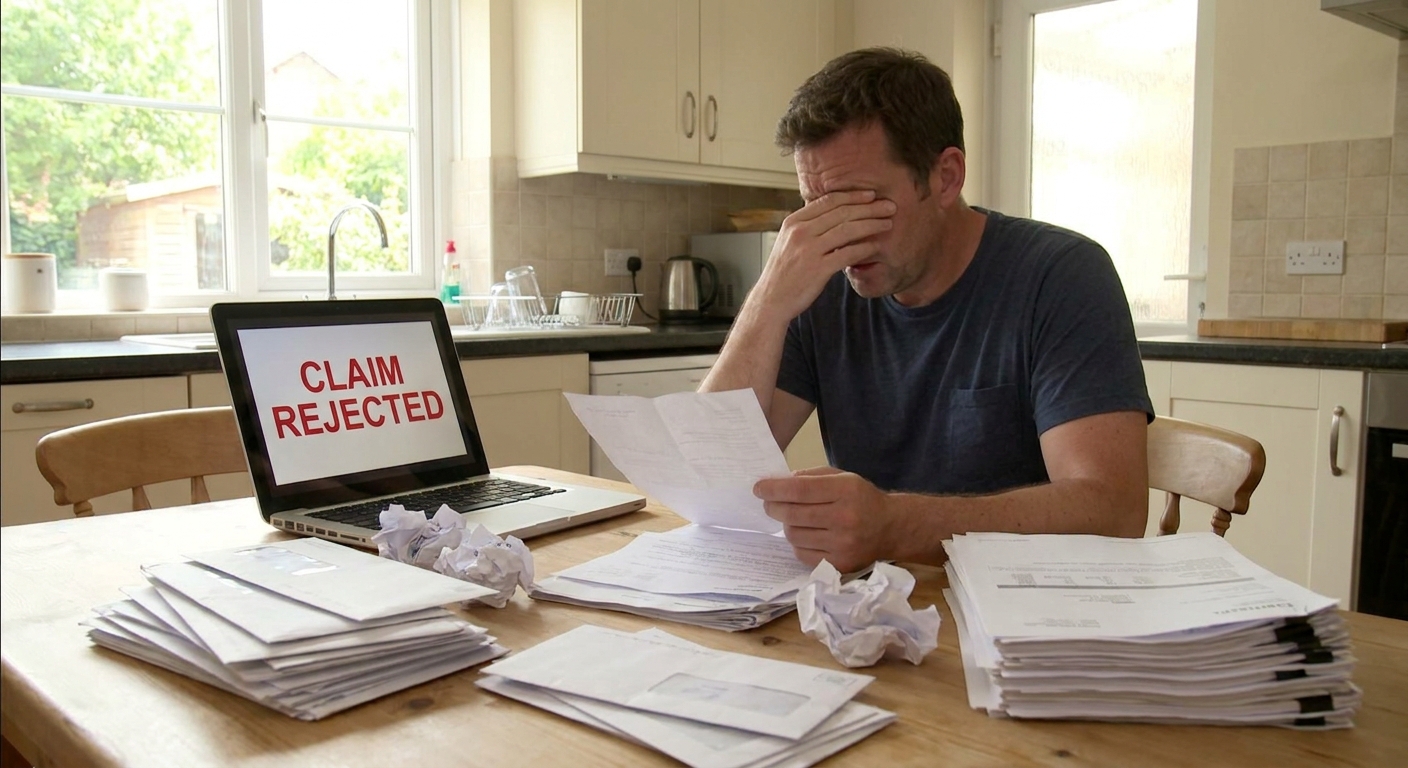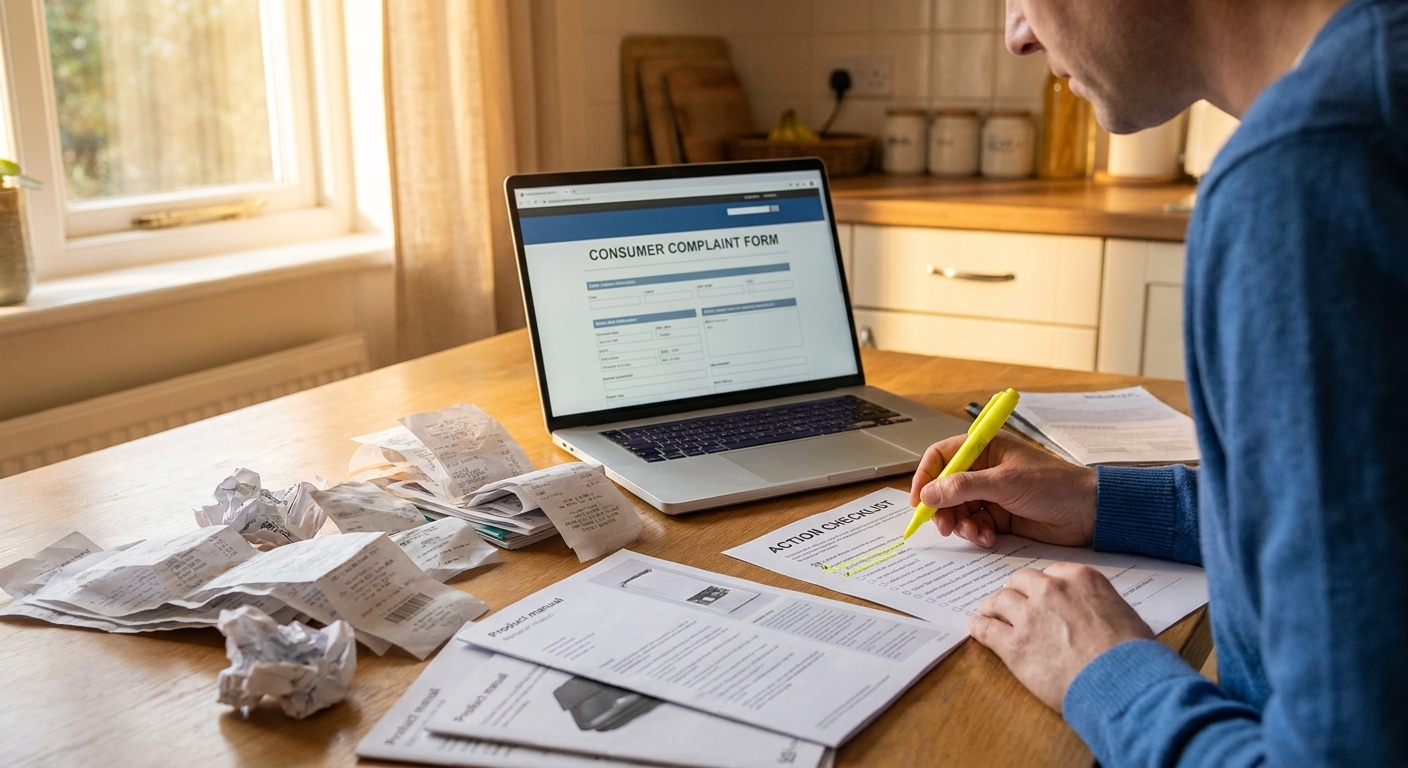
In nearly every insurance claim or legal dispute, the party with clearer documentation has the advantage. Insurers and large companies know this; they build extensive paper (and digital) trails. Ordinary consumers often rely on memory or scattered emails—and that imbalance can cost real money.
Why Documentation Is Your Best Consumer Protection Tool
This checklist‑style guide shows U.S. consumers how to build and use documentation to protect their rights, especially during insurance claims. It is general information, not legal advice. For help with your situation, consult a licensed attorney in your state.
Step 1: Start a Claim File the Moment Something Goes Wrong
Don’t wait for the insurer or business to tell you what to keep.
Create a dedicated folder (physical, digital, or both) labeled with:
- Incident type (e.g., “Car Crash – 5/14/2026”).
- Claim or reference number (once assigned).
- Names of key contacts (adjusters, agents, repair shops, doctors).
Inside that file, you’ll build your personal evidence library.
Step 2: Capture the Scene and Immediate Aftermath
Right after an accident or loss, your phone is one of your most powerful tools.
Scene documentation checklist:
- Photos from multiple angles of any damage.
- Wider shots showing locations, traffic signs, or hazards.
- Close‑ups of serial numbers or model numbers (for damaged items).
- Video walkthroughs explaining what you see in your own words.
- Contact details for witnesses and involved parties.
If police or security respond, ask how to obtain the official report and jot down the report number.
Step 3: Preserve All Communications
Conversations about your claim or problem are part of your evidence.
Communication log essentials:
- Date and time of each call.
- Name, department, and ID (if given) of the person you spoke with.
- Short summary of what was discussed and any promises made.
Follow calls with a short email:
“This email confirms our conversation today regarding Claim #12345. You stated that… and I agreed to provide… by…”
Save:
- Emails and letters.
- Text messages about the incident or claim.
- Any voicemails (if your device allows saving/exporting them).
Step 4: Gather Financial Proof of Your Losses
Insurers and courts respond to numbers backed by records, not estimates in your head.
For property claims (home, auto, personal items)
Checklist:
- Original purchase receipts or order confirmations (when available).
- Bank or credit card statements showing purchases.
- Repair estimates from qualified providers.
- Photos of items before and after damage, if available.
- Appraisals for higher‑value items (jewelry, collectibles, etc.).
For injury claims (medical and wage losses)
Checklist:
- Itemized medical bills from each provider.
- Explanation of benefits (EOBs) from health insurers.
- Medical records detailing diagnoses and recommended treatment.
- Pay stubs before and after the incident.
- Employer letters confirming missed days and any changes to duties or hours.
- Tax returns if income history is important to your claim.
The clearer your financial story, the harder it is to undervalue your claim.
Step 5: Track How the Incident Affects Your Daily Life
Some harms are not obvious from bills alone. A simple journal can be powerful.
Injury impact journal prompts:
- Date and pain level (if relevant) on a simple scale.
- Activities you couldn’t do that day (work, childcare, hobbies).
- Sleep issues or emotional distress tied to the incident.
- Doctor visits, therapy sessions, or medical milestones.
Be honest and consistent. Do not exaggerate; your credibility is essential.
Step 6: Get and Understand Your Policy or Contract
You cannot rely only on what you were told verbally when you bought insurance or signed a service agreement.
Policy/contract review checklist:
- Declarations page: coverage types, limits, and deductibles.
- Coverage section: what is included.
- Exclusions section: what is not covered.
- Conditions: notice requirements, cooperation clauses, proof‑of‑loss rules.
- Dispute resolution terms: appraisal, arbitration, or lawsuit requirements.
Highlight areas directly related to your loss. If the language is unclear, note your questions and consider discussing them with a licensed attorney.
Step 7: Use Documentation Strategically in Communications
Your evidence has the most impact when you present it clearly.
Before calling or emailing an insurer or business:
- Review your notes so you speak from facts, not memory.
- Have relevant documents in front of you.
- Know what specific outcome you’re requesting.
In written requests, consider a structure like:
- Briefly state the purpose: “I’m writing about Claim #___ regarding [incident].”
- Summarize key facts with dates.
- Reference supporting documents by name and date.
- Explain what you believe the policy/contract supports.
- Clearly state what you are asking them to do.
Attach or reference your documents so the person reviewing your letter can follow the logic.
Step 8: Avoid Common Documentation Mistakes
Even well‑intentioned consumers can undermine their claims.
Mistakes to avoid:
- Throwing away paperwork you don’t immediately understand.
- Relying entirely on the insurer’s file instead of keeping your own.
- Sending originals without keeping copies.
- Writing angry, unfocused letters that mix facts with insults.
- Calm, factual communication.
- Copies of everything you send or receive.
- A simple index of important documents for quick reference.
Instead, aim for:
Step 9: When to Share Documents with a Lawyer—and Why It Helps
If your claim involves serious injuries, large property losses, or a denial you strongly disagree with, a lawyer’s ability to build a case will depend heavily on the documentation you provide.
Before an initial consultation, gather:
- Your policy or contract.
- All correspondence with the insurer or company.
- Key photos and videos.
- Medical records and bills (for injury claims).
- Repair estimates and receipts (for property claims).
How contingency fees usually work
In many consumer insurance or injury matters, lawyers may use a contingency fee arrangement:
- No hourly billing—fees are a percentage of any money recovered.
- If there is no recovery, you typically do not owe an attorney fee.
- You may still be responsible for case expenses (filing fees, records, experts), depending on the agreement.
Ask the lawyer to explain the arrangement in writing and keep a copy.
Documentation makes any legal review more efficient and increases the chances that an attorney can give you a meaningful assessment of your case.
Step 10: Long‑Term Habits That Protect Your Consumer Rights
Good documentation is easier if you build simple habits before anything goes wrong.
Protective habits checklist:
- Save digital receipts and order confirmations in organized folders.
- Keep annual copies of key insurance policies (home, auto, health, life, disability).
- Maintain a basic home inventory with photos or video.
- Store backup files in secure cloud storage or an external drive.
- Create a simple “important documents” binder for paper records.
These habits turn future surprises into manageable paperwork instead of chaotic hunts for missing proof.
Putting It All Together: Your Personal Evidence Playbook
To recap, strong claims are built on:
- Early action: Start a file right away.
- Visual proof: Photos and videos of damage and injuries.
- Written records: Logs of calls, emails, letters, and promises.
- Financial documentation: Bills, receipts, estimates, and wage records.
- Impact tracking: Journals showing how your life is affected.
- Policy knowledge: Understanding what your contract says.
- Professional support: Knowing when to bring your organized file to a licensed attorney.
You don’t control everything about how an insurer or business will respond, but you can control the strength of your own paper trail. In many cases, that’s the difference between feeling powerless and having a clear, documented story that others have to take seriously.