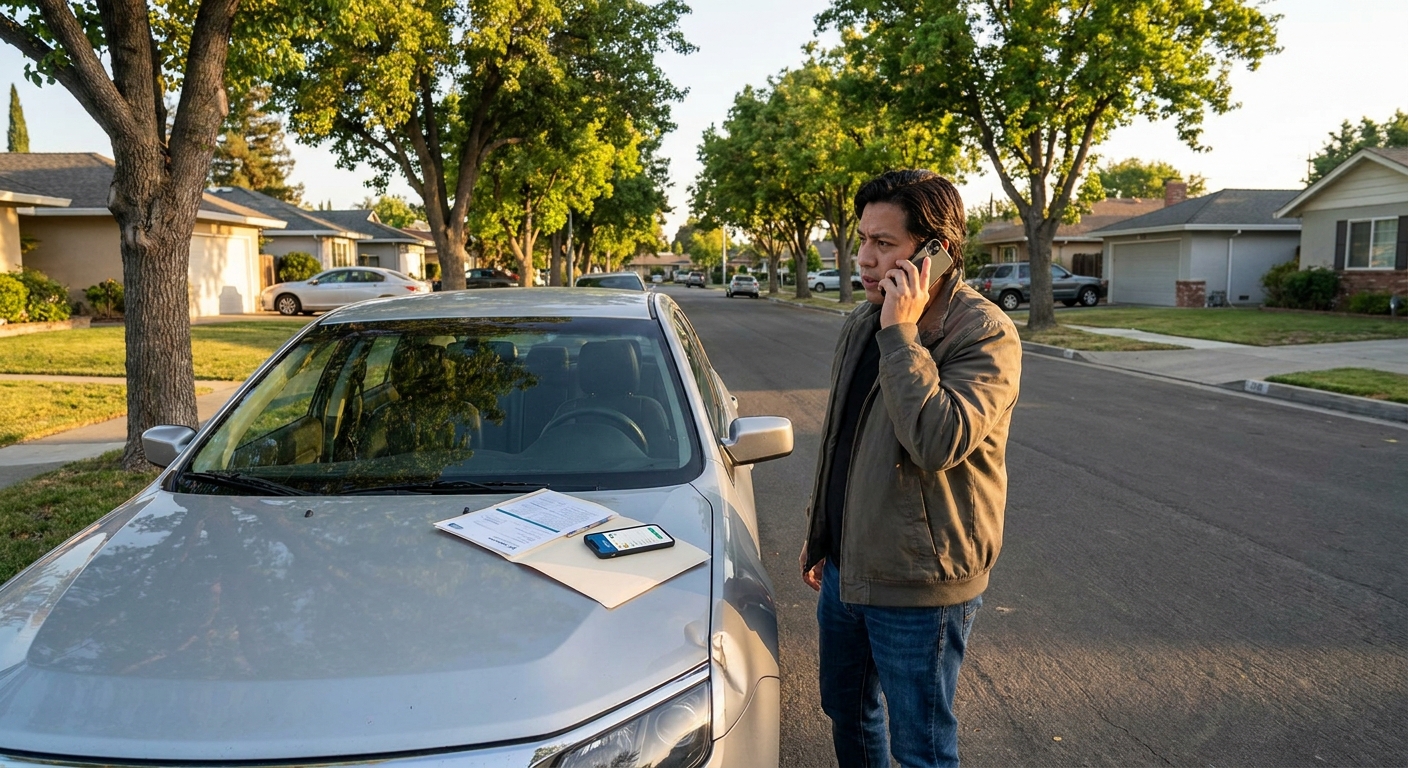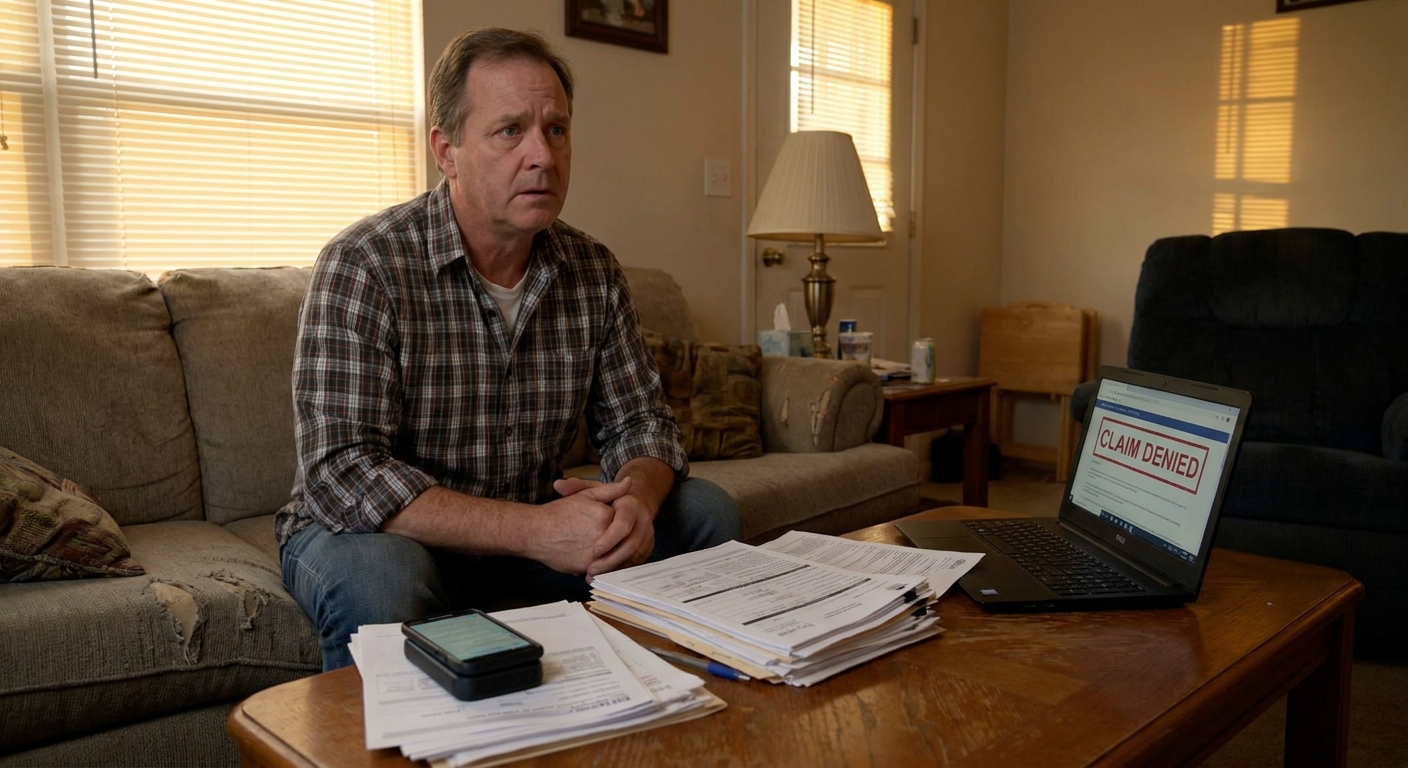
Not every insurance claim needs an attorney. For many smaller or straightforward claims, hiring a lawyer might cost more than the extra money you could gain. Knowing when you can realistically handle a claim yourself — and when that becomes risky — helps you make confident, informed decisions.
Do You Really Need a Lawyer for This Claim?
This guide focuses on everyday claims in the United States and offers practical, step‑by‑step tips for people who may be handling a claim without a lawyer. It is general information, not legal advice. For guidance on your specific situation, consult a licensed attorney in your state.
Claims You May Be Able to Handle Yourself
Every situation is unique, but people often manage these types of claims on their own:
- Minor auto property damage with no injuries or only minimal soreness that resolves quickly
- Small homeowners or renters claims (for example, a few damaged items from a leak)
- Simple theft or vandalism claims where police reports and receipts clearly show what was lost
Key features of “DIY‑friendly” claims:
- Loss is modest relative to policy limits
- No long‑term health effects
- Liability is clear and not disputed
- Insurer is responsive and acting in good faith
If any of these conditions are missing, it may be time to at least talk with an attorney.
When Handling a Claim on Your Own Becomes Risky
You should seriously consider a legal consultation if:
- You suffered serious, lasting, or hard‑to‑diagnose injuries
- There is a question about fault (e.g., both drivers blame each other)
- The insurer denies coverage, delays without clear reasons, or misstates policy terms
- The incident could involve large future costs, such as major home damage or long‑term medical care
- You are getting settlement offers that feel too low, but you’re unsure what’s fair
Many attorneys offer free initial consultations for injury and property‑damage cases. Even if you decide not to hire one, a brief conversation may help you understand your rights and risks.
How Contingency Fees Typically Work (and Whether They Make Sense for You)
In many U.S. personal injury and insurance‑dispute cases, lawyers work on a contingency fee basis:
- You typically do not pay upfront legal fees.
- The attorney’s fee is a set percentage of money recovered through settlement or judgment.
- If there is no recovery, there is usually no attorney fee (you may still owe some out‑of‑pocket costs depending on the agreement).
For smaller claims, contingency fees may not be practical:
- Example: If your total possible recovery is limited to a few thousand dollars, a contingency fee plus costs could significantly reduce what ends up in your pocket.
- Some attorneys have minimum case sizes and may decline very small matters.
If a lawyer explains that your claim is probably too small for them to handle economically, ask if they can at least:
- Clarify key deadlines and basic rights in your state
- Suggest self‑help resources or consumer assistance programs
Step‑by‑Step: Handling a Smaller Claim on Your Own
Step 1: Read Your Policy (and Your Declarations Page)
Focus on:
- Declarations page: lists your coverages, limits, and deductibles.
- Insuring agreement: what types of losses are generally covered.
- Exclusions and limitations: what is not covered.
- Duties after loss: what you must do to preserve coverage.
If something is unclear, ask the adjuster (or your agent) to explain in plain language and follow up by requesting confirmation in writing.
Step 2: Report the Claim Promptly
- Call the claims number on your card or policy, or submit online if available.
- Provide basic facts: what happened, when, where, and who was involved.
- Get your claim number and the adjuster’s contact info.
You usually don’t have to give a detailed statement immediately; it’s okay to say you’ll provide more information after you’ve gathered documents.
Step 3: Build a Simple Claim File
Use a folder or binder (plus digital backups) with these sections:
- Correspondence: letters, emails, and notes of phone calls
- Photos and videos: of damage, scene, and any visible injuries
- Estimates and invoices: from mechanics, contractors, or repair shops
- Receipts: for out‑of‑pocket costs tied to the incident
- Reports: police reports, incident reports, or medical visit summaries
Record dates and who you spoke with in a simple log.
Step 4: Get at Least One Independent Estimate
If your claim involves property damage:
- For auto: ask a trusted body shop for a detailed written estimate.
- For home: get one or more contractor bids describing the scope of work.
Compare these to the adjuster’s figures. If their number is lower, ask for:
- Their scope of damage (what they believe needs to be done)
- A line‑item breakdown of materials, labor, and unit prices
This gives you a concrete basis to discuss any differences.
Step 5: Communicate Clearly and in Writing
Whenever possible:
- Use email to confirm phone conversations: “As we discussed today, you indicated…”
- Politely ask for written explanations of any denial or reduction.
- Keep your tone factual and respectful, even if you’re frustrated.
Written records are easier to reference later and can be important if the claim escalates.
Step 6: Know Your Basic Rights Under State Law
While details vary by state, many U.S. states have consumer‑protection rules that require insurers to:
- Respond to claims within a reasonable time
- Conduct a reasonable investigation
- Explain denials or reductions
Government websites in your state may provide plain‑language summaries of these standards. Some states also have consumer complaint processes that allow you to report unfair practices to insurance regulators.
These tools don’t replace a lawsuit, but they can sometimes encourage faster or clearer responses.
Step 7: Evaluate the Settlement Offer
When you receive an offer, ask yourself:
- Does it cover your documented costs (repair, replacement, temporary expenses)?
- Is there any future expense you’re overlooking (such as follow‑up medical visits or additional repairs)?
- Does it reflect your policy’s limits and deductibles correctly?
If it seems low:
- Send a short, organized response summarizing your documentation.
- Highlight any areas where their estimates miss damage or undervalue items.
- Ask for reconsideration or clarification.
If the adjuster won’t budge and the difference is relatively small, it may not be practical to continue fighting — but the decision is ultimately yours.
Special Considerations for Small Injury Claims
Even “minor” injuries can be tricky because:
- Symptoms sometimes worsen over time.
- It’s hard to put a number on pain, inconvenience, and emotional impact.
If you are considering handling a small injury claim yourself:
Do:
- Get checked by a doctor soon after the incident.
- Follow medical advice and document any time you miss from work.
Be cautious about:
- Settling before you know whether you’re fully healed.
- Signing a broad release that waives future claims you may not yet understand.
For anything beyond truly short‑lived discomfort, at least speak with an attorney before signing away your rights.
Alternatives if You Can’t Agree with the Insurer
If you reach a stalemate but don’t want full‑scale litigation, you might consider:
- Company‑level appeals or escalations: Ask to speak with a supervisor or request a written review.
- State insurance complaints: File a complaint with your state’s insurance department describing delays or unexplained denials.
- Small claims court: For disputes within your state’s small‑claims limits, you may be able to sue without a lawyer. Court staff may provide general procedural information (not legal advice).
Before going to court, organize your evidence carefully and understand what you are asking the court to order.
Quick Checklist: Handling a Small Claim on Your Own
- [ ] Confirm your coverage, limits, and deductibles.
- [ ] Report the claim promptly and note the claim number.
- [ ] Create a claim file with photos, estimates, and receipts.
- [ ] Get at least one independent repair or replacement estimate.
- [ ] Communicate significant points with the insurer in writing.
- [ ] Ask for written explanations of denials or low offers.
- [ ] Keep an eye on state deadlines and policy time limits.
- [ ] Consider at least a brief consult with a licensed attorney if injuries are involved or the claim becomes complex.
Final Thoughts
You are allowed to decide that a claim is small enough to handle yourself — and in many cases, that is a sensible choice. The key is to stay organized, know your basic rights, and recognize the warning signs that professional help may be needed. If you have any doubt about the legal consequences of settling or signing documents, speak with a licensed attorney in your state before moving forward.