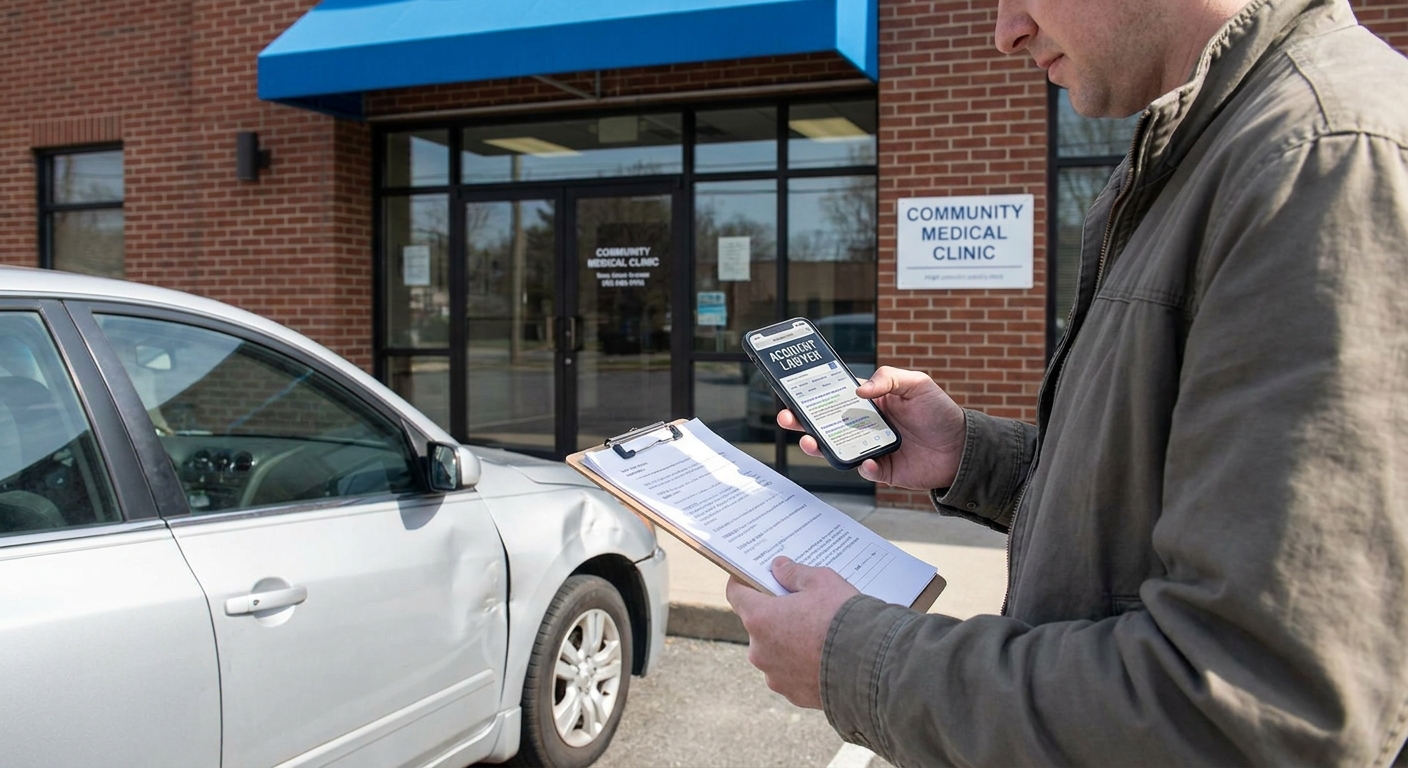
Many drivers only discover how car accident claims really work after a crash—when they’re hurt, overwhelmed, and trying to decode insurance jargon.
This myth‑busting guide explains 12 common misunderstandings about U.S. car accident claims, what actually happens, and how to avoid mistakes that can weaken your case.
This article is information only and not legal advice. Laws and insurance rules vary by state. For specific questions, consult a licensed attorney in your state.
Myth 1: “The Police Report Always Decides Who’s at Fault.”
Reality: The police report is important, but it’s not the final word.
- Insurers consider the report, but they also look at statements, photos, and other evidence.
- In many states, the officer’s opinion on fault is not binding in court.
- Reports can contain mistakes—wrong diagrams, misquotes, or incomplete witness information.
- Request a copy of the report as soon as it’s available.
- Note any errors and gather your own supporting evidence.
- If fault is disputed and the report is against you, consider a legal consultation.
What you can do:
Myth 2: “If I’m Partly at Fault, I Can’t Recover Anything.”
Reality: In many states, you can still recover money even if you share some blame.
- Many states use comparative fault rules, where your recovery is reduced by your percentage of fault.
- A smaller number of states use systems where being even slightly at fault may bar recovery.
Because rules differ widely, this is an area where state‑specific legal advice is crucial.
What you can do:
- Don’t assume you have no claim just because you may have made a mistake.
- Avoid making detailed fault admissions at the scene or to insurers.
- Talk to a lawyer if the insurer says you’re partly or mostly to blame.
Myth 3: “The Other Driver’s Insurance Will Pay My Medical Bills as They Come In.”
Reality: Liability insurers usually pay in one lump sum at the end—if and when you settle.
- In the meantime, you’re often responsible for arranging payment through PIP/MedPay, health insurance, or direct payment plans with providers.
- Waiting for the at‑fault insurer to pay bills one by one often leads to collections problems.
- Use available PIP/MedPay or health coverage to handle bills.
- Tell providers you’re pursuing a claim and ask about holding or reducing bills.
- Keep all bills and Explanation of Benefits (EOB) statements for later reimbursement.
What you can do:
Myth 4: “If I Feel Okay After the Crash, I Don’t Need to See a Doctor.”
Reality: Some injuries take hours or days to show up.
- Whiplash, concussions, and soft‑tissue injuries may start mild and worsen over time.
- Without prompt medical evaluation, insurers may argue your symptoms are unrelated.
- Get checked by a medical professional soon after the crash, even if you think you’re fine.
- Mention all symptoms, no matter how small.
- Follow up if new pain appears or existing pain worsens.
What you can do:
Myth 5: “I Have to Accept the First Settlement Offer or I’ll Get Nothing.”
Reality: First offers are often starting points, not final numbers.
- Adjusters commonly start low to see if you’ll accept quickly.
- You can negotiate, present documentation, and make a counter‑demand.
- Wait until you understand your injuries and medical needs before settling.
- Organize your records (bills, wage loss, photos, pain journal) before negotiations.
- If the offer feels unfair, talk to a lawyer about your options.
What you can do:
Myth 6: “If I Hire a Lawyer, the Case Automatically Goes to Court.”
Reality: Most car accident cases settle without a trial.
- Many claims settle without any lawsuit being filed.
- Even after a lawsuit is filed, cases often resolve through negotiation or mediation.
- Ask any lawyer you speak with about their approach to settlement vs. litigation.
- Understand that hiring a lawyer often improves negotiation leverage before court becomes necessary.
What you can do:
Myth 7: “I Can’t Afford a Car Accident Lawyer.”
Reality: Most car accident attorneys work on a contingency fee.
- No hourly billing and typically no upfront attorney fee.
- The lawyer’s fee is a percentage of the recovery.
- If there is no recovery, you usually owe no attorney fee (case expenses are a separate issue—ask about them).
- Use free consultations to understand fee percentages and expense policies.
- Ask how fees change if a lawsuit is filed or the case goes to trial.
- Compare terms between different law firms.
What you can do:
Myth 8: “My Own Insurance Company Is On My Side, So I Don’t Need to Be Careful.”
Reality: Even your own insurer is a business with its own interests.
- In some situations (like UM/UIM claims), your insurer’s interests can conflict with yours.
- Adjusters may minimize payouts even on your own coverages (PIP, MedPay, collision).
- Be truthful but brief and factual in your statements.
- Review your policy so you understand your coverages and obligations.
- Seek legal advice if your own insurer denies, delays, or undervalues your claim.
What you can do:
Myth 9: “Posting About My Accident on Social Media Is Harmless.”
Reality: Insurers and defense lawyers often review public posts.
- Photos, check‑ins, or upbeat posts can be used to argue you’re not seriously injured.
- Jokes, sarcasm, or venting about the crash may be taken out of context.
- Avoid posting about the accident, your injuries, or your claim.
- Adjust your privacy settings, but assume anything online may be seen.
- Ask close friends and family not to post about you or tag you in accident‑related content.
What you can do:
Myth 10: “If I Wait Long Enough, the Insurance Company Will Give Me a Better Offer.”
Reality: Time can hurt your case if you approach or pass legal deadlines.
- Every state has a statute of limitations for filing lawsuit claims.
- Waiting too long can weaken evidence and treatment history.
- Once the statute expires, you can lose all legal leverage—even with a strong case.
- Track important deadlines and get legal advice well before they expire.
- Don’t delay needed medical care to “see what happens with the claim.”
What you can do:
Myth 11: “Pain and Suffering Is Just a Number the Insurance Company Chooses.”
Reality: Non‑economic damages depend heavily on evidence and story.
- Adjusters may use software or internal guidelines, but they consider:
- Severity and duration of your pain
- Type and length of medical treatment
- Permanent limitations or scarring
- Impact on work, hobbies, and family life
- Judges and juries look closely at the details and credibility of your story.
- Keep a daily journal of symptoms and life disruptions.
- Save documentation showing missed events or changed routines.
- Be consistent and honest in describing your pain to doctors and insurers.
What you can do:
Myth 12: “Small Crashes Don’t Need Documentation; It’s Just a Fender‑Bender.”
Reality: Even minor collisions can lead to disputes and injuries.
- Cars are designed to absorb impact; visible damage doesn’t always equal injury severity.
- Insurance disputes are common even in low‑speed crashes.
- Call the police when appropriate and get an incident report or exchange form.
- Take photos and gather information, even if damage looks minor.
- Get checked by a doctor if you feel pain or stiffness—now or in the following days.
What you can do:
Practical Checklist: Turning Myths into Smart Actions
Use this quick reference to guard against common misconceptions:
- [ ] Get medical care early and follow through with treatment.
- [ ] Document everything: photos, bills, missed work, and pain levels.
- [ ] Be careful with statements to any insurance company.
- [ ] Limit social media about the accident and your health.
- [ ] Read before you sign any release or broad medical authorization.
- [ ] Beware of deadlines like the statute of limitations.
- [ ] Consider a legal consultation if injuries are more than minor, fault is disputed, or you feel pressured.
Final Word: Replacing Myths With Clear Information
Car accidents are stressful enough without misinformation making things worse. Understanding how claims actually work lets you:
- Set realistic expectations
- Avoid preventable mistakes
- Recognize when you may need professional help
If you’re unsure how these principles apply to your situation, speak with a licensed personal‑injury attorney in your state. A brief conversation can help you separate myth from reality in your own claim and make decisions with more confidence.