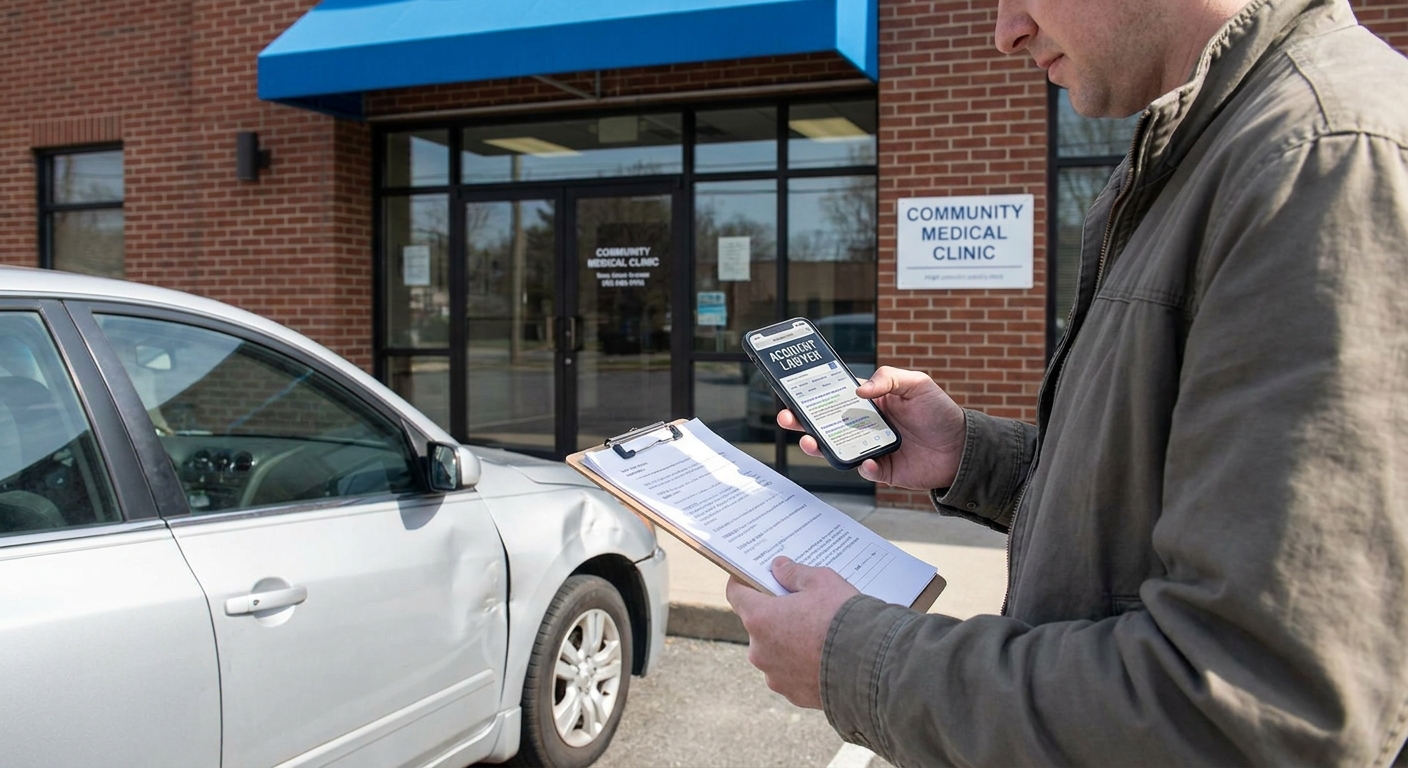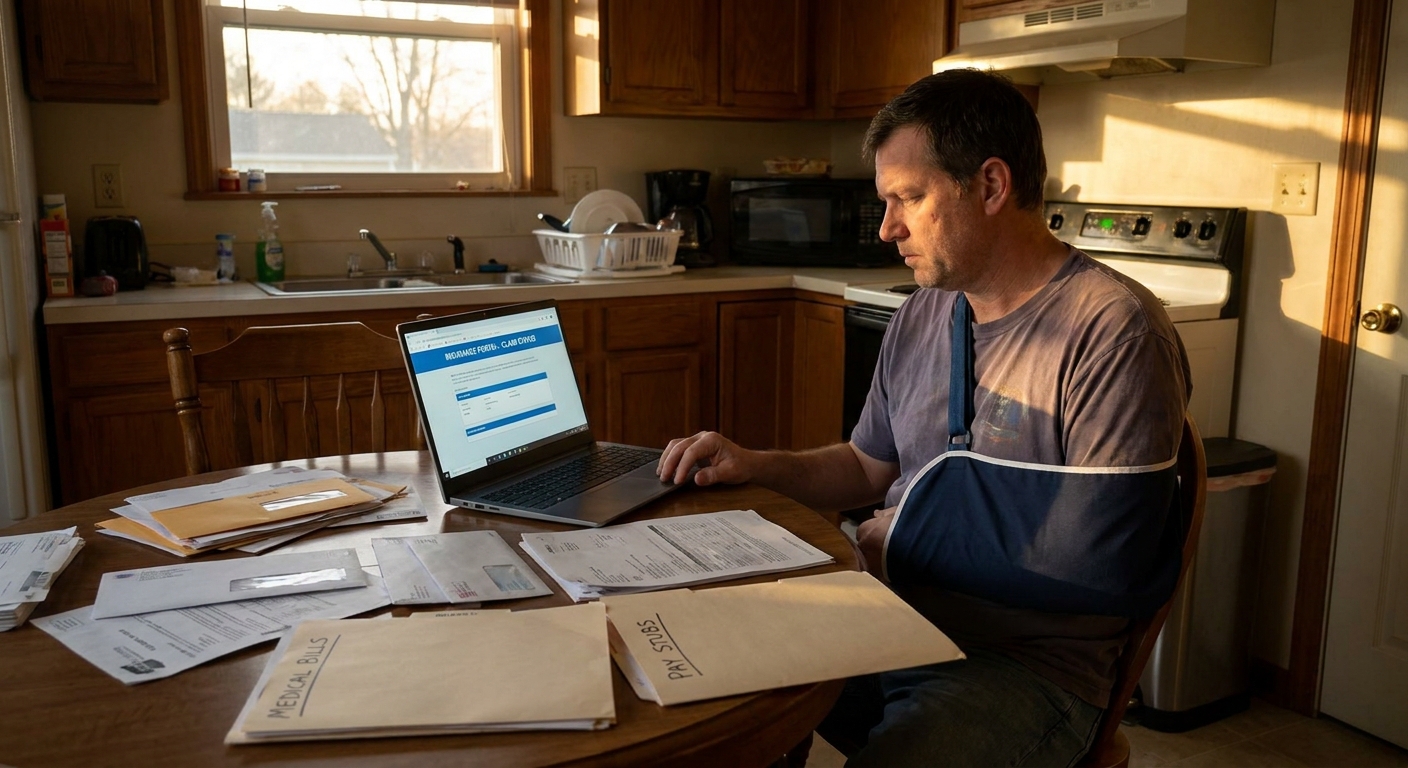
The first three days after a car crash are often a blur of pain, phone calls, and confusion. Yet what you do—or don’t do—during this period can dramatically affect the strength and value of your insurance claim.
This guide focuses on the first 72 hours after a collision in the United States and the practical steps that protect your health, finances, and legal rights.
This is general information only and not legal advice. Car accident rules differ by state. For advice about your situation, consult a licensed attorney where you live.
Why the First 72 Hours Matter So Much
Insurance companies closely examine:
- How soon you sought medical treatment
- What you told doctors about the crash
- How quickly you reported the accident to insurers
- What evidence you preserved
Gaps, delays, or inconsistent statements are often used to downplay or deny valid claims.
Move 1 (Hour 0–2): Secure Safety and Call 911
Immediately after impact:
Your priorities:
- Move yourself and others to a safe area if possible.
- Call 911 if there is any sign of injury, fire, leaking fluids, or a traffic hazard.
- Follow instructions from first responders.
You do not need to decide who is at fault at the scene. Stick to facts when speaking to police.
Move 2 (Hour 0–2): Document the Scene Before It Changes
Evidence can disappear within minutes. If you are able and it’s safe:
Photograph:
- All vehicle damage from multiple angles
- Interior damage (deployed airbags, broken glass)
- Skid marks, debris, road defects, weather conditions
- Traffic lights, stop signs, lane markings
- Names, phone numbers, and addresses of drivers and witnesses
- Insurance company and policy numbers of all drivers
- License plates and driver’s license numbers
Collect information:
Tip: If you’re in pain, ask a passenger or trusted person to help with photos and information.
Move 3 (Hour 0–6): Avoid On‑Scene Admissions and Guesswork
Emotions run high after a crash. Casual statements can be twisted later.
Avoid saying:
- “It was my fault” or “I didn’t see you.”
- “I’m fine” if you’re not sure.
- Guesses about speed or distance.
- Provide identification and insurance.
- Answer police questions truthfully with facts, not guesses.
You can be polite and cooperative:
Move 4 (Hour 2–24): Get a Medical Evaluation—Even If You Feel ‘Mostly Fine’
Many crash‑related injuries—whiplash, concussions, soft‑tissue damage—develop or worsen over hours and days.
Within the first 24 hours, aim to:
- Visit the ER, urgent care, or your primary doctor.
- Explain clearly that you were in a car accident and what parts of your body hurt.
- Mention all symptoms, even if mild—headaches, dizziness, stiffness, numbness, or anxiety.
Insurance companies may argue that injuries reported days later are unrelated to the crash. Early documentation is powerful.
Move 5 (Hour 12–48): Notify Insurance Companies (But Watch Your Words)
Most policies require you to report an accident within a reasonable time.
5.1 Calling Your Own Insurer
When you call:
- Provide basic facts: date, time, location, other driver’s info.
- Confirm coverage types (collision, MedPay/PIP, UM/UIM).
- Ask how to file claims for vehicle damage and medical payments.
You typically must cooperate with your insurer, but you can still be concise and avoid speculation.
5.2 Dealing With the Other Driver’s Insurer
You may get a call quickly from the at‑fault driver’s insurance company.
You do not have to:
- Give a recorded statement right away (or at all, in many situations).
- Discuss your injuries in detail before you’ve seen doctors.
You can respond with:
“I’m still receiving medical treatment and not ready to give a statement. Please contact me by mail or speak with my attorney.”
If you’re unsure, talk to a lawyer before agreeing to recorded interviews.
Move 6 (Hour 12–72): Preserve Evidence of Your Injuries and Losses
Start building a paper trail early.
Create a simple claim file with:
- Police report or incident number
- Photos from the scene
- Medical visit summaries and discharge instructions
- Receipts: medications, bandages, medical equipment
- Work notes showing time missed
- Pain levels (0–10)
- Where you hurt
- How symptoms affect sleep, work, and family life
Begin a daily log:
This log often becomes critical months later when details are fuzzy.
Move 7 (Hour 24–72): Arrange Transportation and Vehicle Inspection
Within the first few days:
- Ask your insurer about rental car coverage or loss‑of‑use payments.
- Coordinate a vehicle inspection through your insurer or the at‑fault insurer.
- If your car is towed, note storage fees and location.
Tip: You usually have the right to choose your repair shop. Insurers may suggest preferred shops but cannot typically force you to use them.
Move 8 (Hour 24–72): Follow Through With Medical Care
After the first visit, medical follow‑up matters:
- Schedule recommended follow‑ups with doctors or specialists.
- Attend physical therapy if prescribed, or discuss alternatives.
- Tell providers if symptoms worsen or spread.
Gaps in treatment can be used against you later. If money, transportation, or childcare are obstacles, tell your provider so your challenges are documented.
Move 9 (Within 72 Hours): Watch Out for Early, Low Settlement Offers
Some insurers move quickly to offer a small settlement in exchange for a release.
Be cautious if:
- You’re still in pain or don’t know your diagnosis.
- You haven’t finished treatment.
- You don’t understand what future care may cost.
Once you sign a release, you usually cannot seek additional compensation, even if your injuries turn out to be more serious.
Move 10 (Within 72 Hours): Decide Whether to Consult a Lawyer
You don’t need a lawyer for every fender‑bender. But a brief conversation can clarify your options, especially if:
- You have more than minor soreness (e.g., fractures, disc issues, significant soft‑tissue injuries).
- You missed more than a few days of work.
- The police report is wrong or blames you.
- The other driver or insurer is being hostile or uncooperative.
Most personal‑injury lawyers offer free consultations and work on a contingency fee basis.
How Contingency Fees Typically Work
- The lawyer’s fee is a percentage of the recovery, not an hourly rate.
- If there is no recovery, you typically owe no attorney fee (though you may be responsible for case expenses—ask for details).
- Percentages often increase if a lawsuit is filed or the case goes to trial.
- The percentage at different stages (pre‑suit vs. post‑suit)
- Who pays out‑of‑pocket costs and when
- How they will communicate with you
Ask any lawyer you speak with to explain:
Red‑Flag Mistakes to Avoid in the First 72 Hours
Avoid these common pitfalls:
- Posting about the crash or your injuries on social media
- Exaggerating or minimizing symptoms to doctors
- Ignoring doctor’s orders because you feel “too busy”
- Agreeing to a recorded statement without preparation
- Signing anything you don’t fully understand
These missteps give insurers ammunition to devalue your claim.
72‑Hour Action Checklist
Use this as a quick reference:
- [ ] Get to safety and call 911
- [ ] Cooperate with police; avoid fault admissions
- [ ] Photograph vehicles, scene, and injuries
- [ ] Exchange information with drivers and witnesses
- [ ] Seek medical evaluation within 24 hours
- [ ] Start a folder for records and receipts
- [ ] Notify your insurer; be brief and factual
- [ ] Be cautious with the other driver’s insurer
- [ ] Arrange inspection/rental and track costs
- [ ] Consider a legal consultation if injuries or losses are more than minor
By focusing on these moves in the first 72 hours, you give yourself the best chance of a fair outcome, whether you handle the claim yourself or with the help of an attorney.