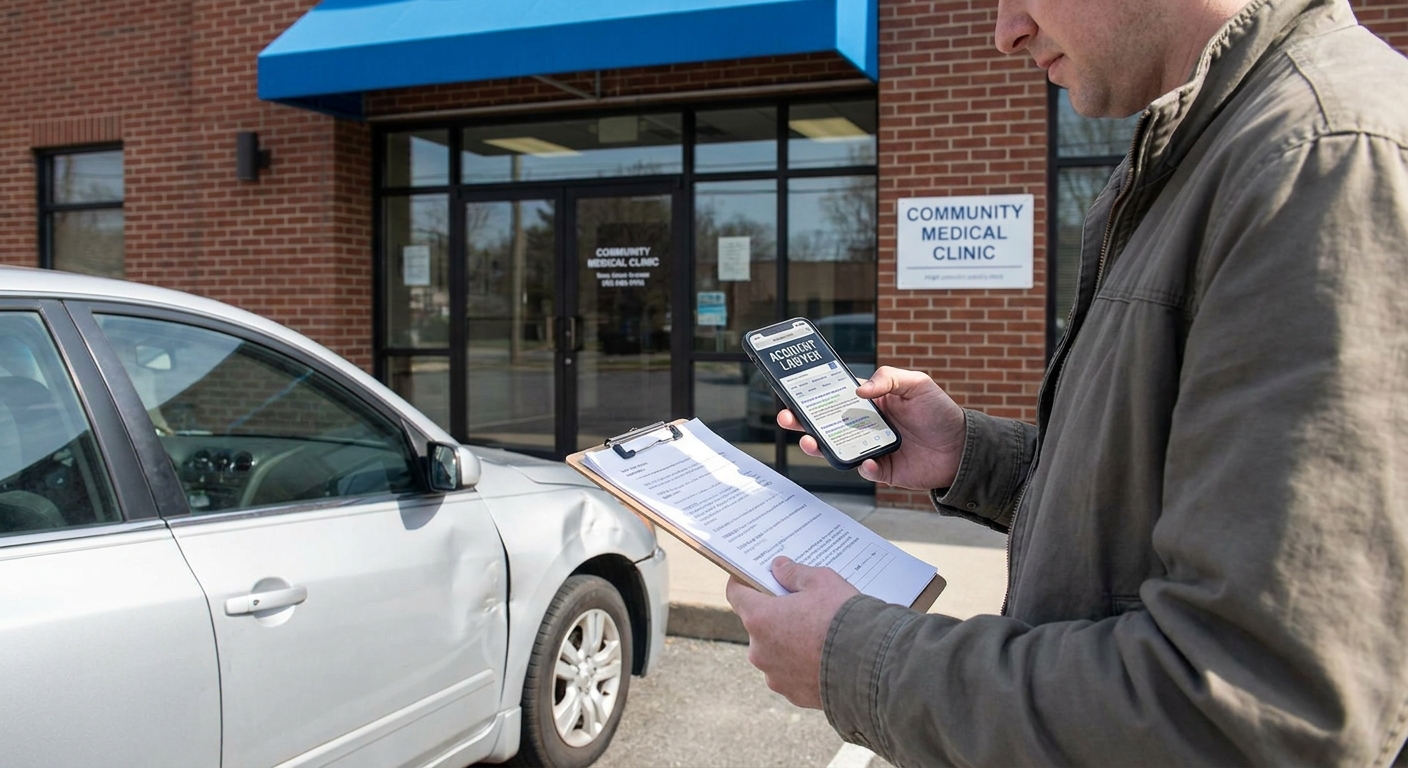
Car accidents are expensive in ways most people don’t see coming. The obvious cost is fixing your vehicle. The hidden costs—medical bills, time off work, and long‑term health issues—can be much larger and far more stressful.
This article breaks down the real‑world financial impact of a car accident in the United States and explains how different kinds of insurance may (or may not) help.
This is general educational information, not legal or financial advice. Coverage rules and claim procedures vary by state and by policy. For specific guidance, consult a licensed attorney and your insurance professionals.
1. The Four Main Buckets of Crash‑Related Costs
After a crash, your losses generally fall into four categories:
Medical expenses
Lost wages and reduced earning capacity
Property damage (vehicle and personal items)
Non‑economic impacts (pain, suffering, and life disruption)
Understanding each category helps you document your losses and evaluate settlement offers.
2. Medical Bills: Who Pays What and When?
2.1 Types of Medical Costs After a Crash
- ER visit, ambulance, and hospital charges
- Doctor visits (primary care, orthopedic, neurology, etc.)
- Imaging (X‑rays, MRIs, CT scans)
- Physical therapy, chiropractic, or other rehab
- Prescription drugs and over‑the‑counter pain relief
- Medical equipment (braces, crutches, TENS units)
These bills can arrive over weeks or months and often from multiple providers.
2.2 Common Sources of Payment
1. Personal Injury Protection (PIP) or MedPay
- PIP (in many no‑fault states) and MedPay (in some fault states) can pay initial medical bills.
- Often pays regardless of fault, up to policy limits.
- May cover things like lost wages or household help in some PIP policies.
2. Health Insurance
- Your health insurer may pay bills after PIP/MedPay is exhausted or if you have no such coverage.
- You may still owe co‑pays, deductibles, and uncovered charges.
3. At‑Fault Driver’s Liability Insurance
- Ultimately, if another driver is legally responsible, their bodily injury liability coverage can reimburse your medical expenses.
- Payment usually comes at the end of the case in a lump‑sum settlement, not as bills come due.
4. Your Own Auto Policy (UM/UIM)
- Uninsured/Underinsured Motorist (UM/UIM) coverage may help if the other driver has no or low insurance.
2.3 Subrogation and Reimbursement: The “Payback” Trap
If your health insurer or PIP pays for accident‑related care, they may later demand reimbursement from your settlement. This is called subrogation or a lien.
Key points:
- The rules vary by state, plan type, and contract language.
- Government programs (Medicaid, Medicare, some military coverage) often have strict reimbursement rules.
- In many cases, a lawyer can negotiate reductions in these claims, potentially increasing your net recovery.
Ignoring liens can cause serious problems, so clarify early who has a right to be repaid from any settlement.
3. Lost Wages and Income Disruption
Time away from work is one of the most stressful parts of a car crash.
3.1 What Counts as Lost Income?
- Hourly or salary wages from missed days
- Overtime you typically would have worked
- Tips and commissions (if you can document them)
- Self‑employment income (using tax returns and business records)
In more serious cases, there may also be reduced future earning capacity if you can no longer perform the same job or work the same hours.
3.2 How to Prove Lost Wages
Gather:
- Employer letter confirming dates missed and pay rate
- Pay stubs before and after the accident
- Tax returns (especially for self‑employed workers)
- Doctor’s notes or restrictions keeping you off work
Insurance companies usually won’t pay lost wages based on a verbal claim alone. Documentation is key.
3.3 Who Pays Lost Wages?
Depending on your state and policies:
- PIP may pay a portion of your wages, up to limits.
- In some cases, disability insurance (short‑term or long‑term) may pay.
- Ultimately, the at‑fault driver’s liability coverage can reimburse lost wages as part of the settlement.
Coordination between these sources—and understanding who must be repaid—is often where an attorney’s help is valuable.
4. Vehicle and Property Damage Costs
This is where most people focus first, because it’s visible and immediate.
4.1 Repair vs. Total Loss
- If the repair cost is near or above the vehicle’s market value, insurers may declare it a total loss.
- You are typically entitled to the actual cash value of the vehicle—not the replacement cost of a new car.
4.2 Towing, Storage, and Rental Cars
Don’t overlook these:
- Towing bills and daily storage charges
- Rental car costs or loss‑of‑use payments if you don’t rent
Check your policy for rental reimbursement coverage and ask the at‑fault insurer about their rental process.
4.3 Personal Property Inside the Car
Items like phones, child car seats, laptops, or glasses damaged in the crash may be compensable, often through the at‑fault insurer or sometimes your homeowners/renters policy.
Keep receipts or, at minimum, photos and descriptions of damaged items.
5. Non‑Economic Losses: Pain, Suffering, and Life Changes
Not all losses show up on a bill. Crash‑related injuries can disrupt your life in ways that are difficult to measure but very real.
5.1 Common Non‑Economic Impacts
- Physical pain and discomfort
- Emotional distress, anxiety, or depression
- Sleep problems or nightmares
- Loss of enjoyment of hobbies and family activities
- Strain on relationships
Insurers may use formulas or software to estimate these losses, but they’re negotiable and depend heavily on the details of your experience.
5.2 How to Document Non‑Economic Losses
- Keep a daily journal of pain levels and struggles.
- Note missed activities (sports, vacations, family events).
- Save messages or notes from family or coworkers describing changes they’ve seen.
This evidence supports your description of how the accident affected your life.
6. Building a “Cost of Crash” File: What to Save
A strong claim is built on organized records.
6.1 Essential Documents Checklist
- [ ] Police report or accident exchange form
- [ ] Photos of vehicles, injuries, and the scene
- [ ] All medical records and bills
- [ ] Pharmacy receipts and over‑the‑counter medication receipts
- [ ] Health insurance EOBs (Explanation of Benefits)
- [ ] Wage records, time‑off slips, employer letters
- [ ] Vehicle repair estimates and final invoices
- [ ] Towing, storage, and rental car receipts
- [ ] Receipts for damaged personal property
- [ ] Notes of all conversations with insurers (dates, names, summaries)
Create both a physical folder and a digital backup if possible.
7. Mistakes That Increase the Hidden Costs of a Car Accident
Some missteps can unintentionally increase what you pay out of pocket or reduce your eventual settlement.
7.1 Delaying or Skipping Medical Care
- May worsen injuries and increase long‑term costs
- Gives insurers an excuse to argue your injuries are unrelated or minor
7.2 Ignoring Medical Bills and Collection Notices
- Providers may send bills to collections even if a liability claim is pending.
- Communicate with providers and ask about payment plans or holding bills while a claim is resolved.
7.3 Failing to Track Time Off Work
- Without records, you may not be able to prove lost income.
7.4 Settling Too Early
- Once you sign a release, you usually cannot request more money.
- Early settlements often fail to account for future care needs or ongoing symptoms.
8. When to Consider Hiring a Lawyer for Financial Protection
You might initially think, “I’ll just deal with the insurance company myself.” For minor accidents, that may be reasonable. But consider talking to a lawyer if:
- Medical bills are substantial or still increasing.
- You missed more than a few days of work.
- You have ongoing pain or permanent limitations.
- Multiple insurance policies or coverages (PIP, UM/UIM, health, liability) are involved.
- There are liens or reimbursement claims from health insurers or government programs.
8.1 How a Lawyer Can Affect the Financial Outcome
An experienced car accident attorney may:
- Identify all potential sources of coverage
- Properly document and value your claim
- Negotiate with insurers for a higher settlement
- Work to reduce lien and reimbursement claims
Most work on a contingency fee basis, meaning:
- The attorney fee is a percentage of the recovery, not an upfront payment.
- If there’s no recovery, you typically owe no attorney fee (ask about case expenses in advance).
Discuss fee structure, expected costs, and how net recovery is calculated before signing any agreement.
9. Key Takeaways: Managing the Money Side of a Crash
Car accidents are more than “just a fender‑bender” when injuries and time off work are involved. To protect yourself:
- Recognize the full range of costs: medical, wage, property, and life impact.
- Use the coverages you already have (PIP, MedPay, health insurance, disability).
- Keep meticulous records and receipts.
- Be cautious about early settlements that don’t account for long‑term effects.
- Talk to a licensed attorney if the financial picture is complicated or you feel overwhelmed.
Understanding the hidden costs—and your options for covering them—won’t erase the stress of a car crash, but it can help you make clearer, more confident decisions as you move through the insurance and claims process.